
 English
 中文简体
中文简体 русский
 Español
 Français
-
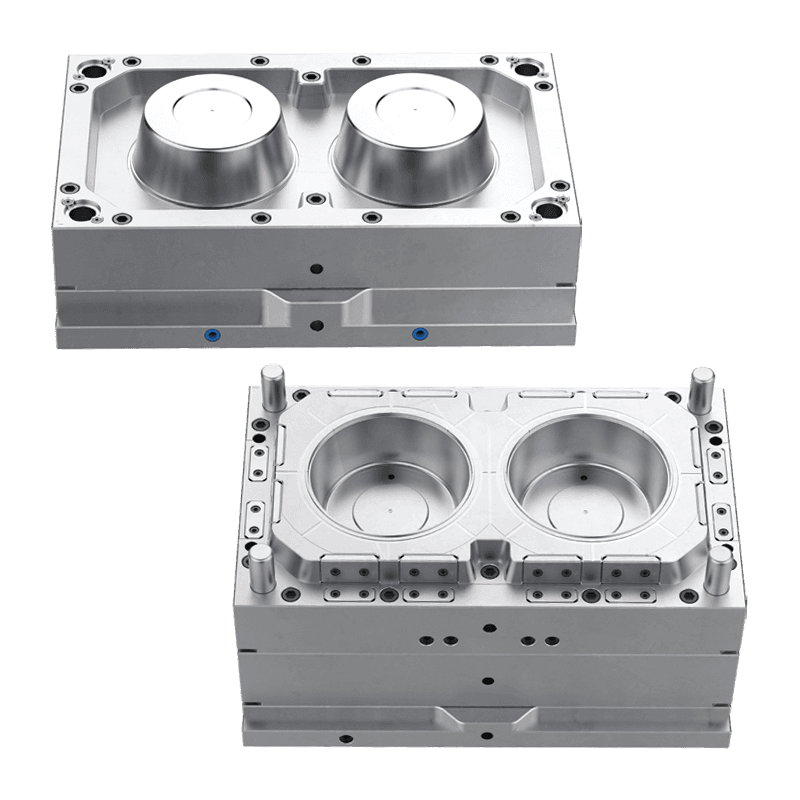
Plastic Round Food Container Mold: The Tooling Behind the Tub
A round plastic tub holds the yogurt, the soup, the dip, and the leftovers. The shape is simple: a round body, a rim, a ...
read more -
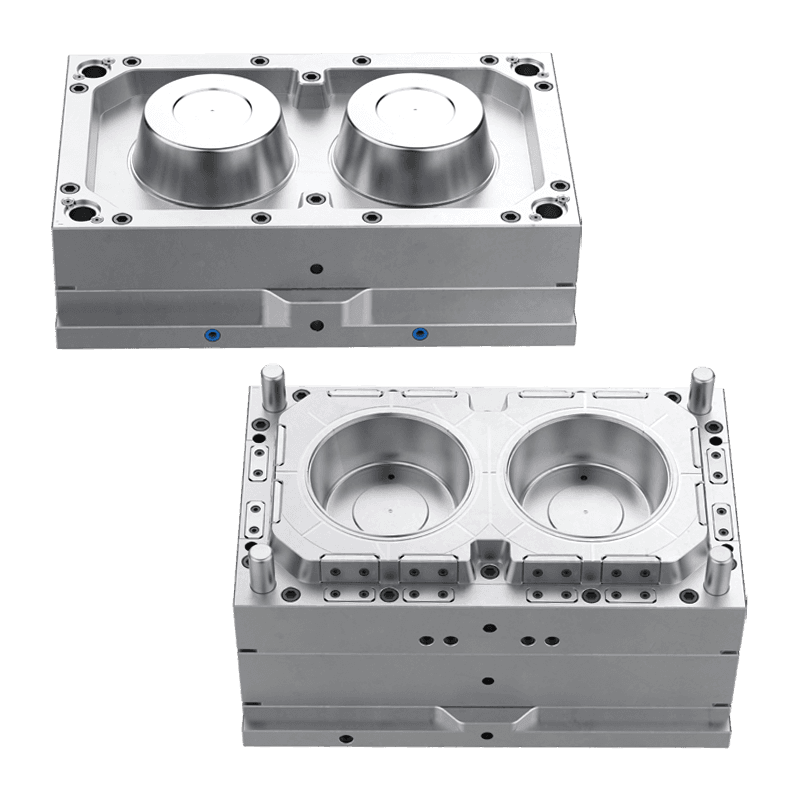
Plastic Food Container Mould Factory: The Tooling Behind the Tub on the Shelf
A plastic food container is a simple product. A round tub, a square box, a lid that snaps. The mold that makes it is not...
read more -
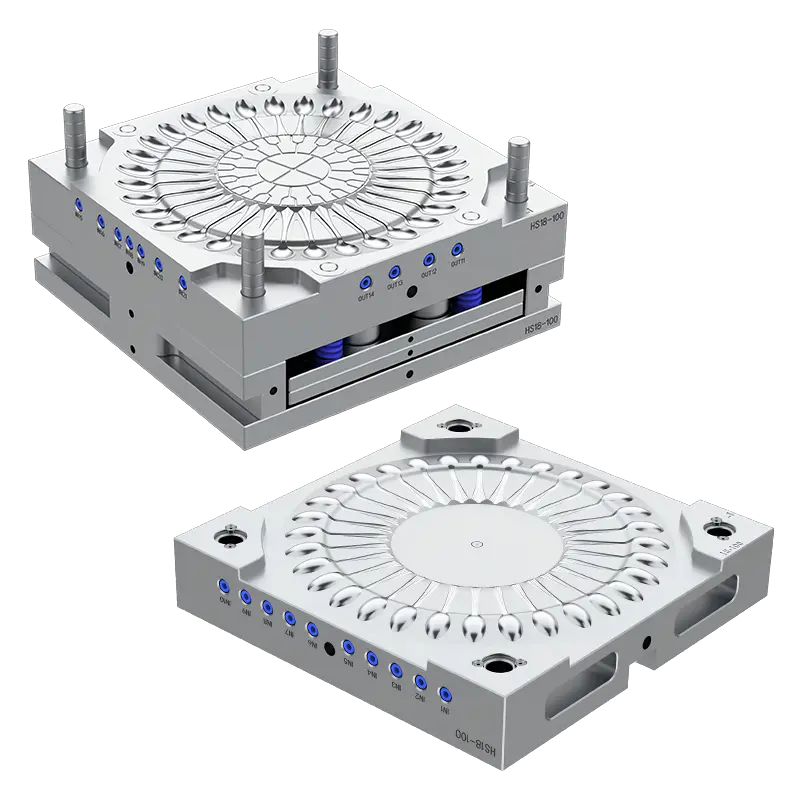
Plastic Fork Mold Factory: The Tooling Behind the Disposable Fork
A plastic fork costs a fraction of a cent to make. It is used once and thrown away. But the mold that produces it is a p...
read more -
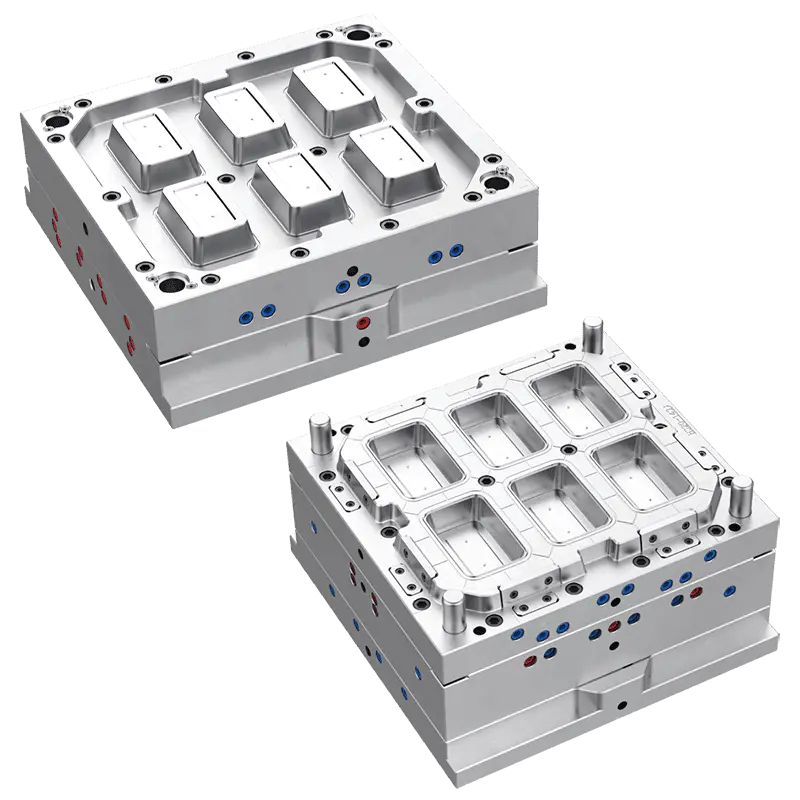
Plastic Square Food Container Mold: The Tooling That Forms the Box on the Shelf
A square plastic container holds meal prep, takeout, and leftovers. It stacks in the fridge, packs in the bag, and seals...
read more -
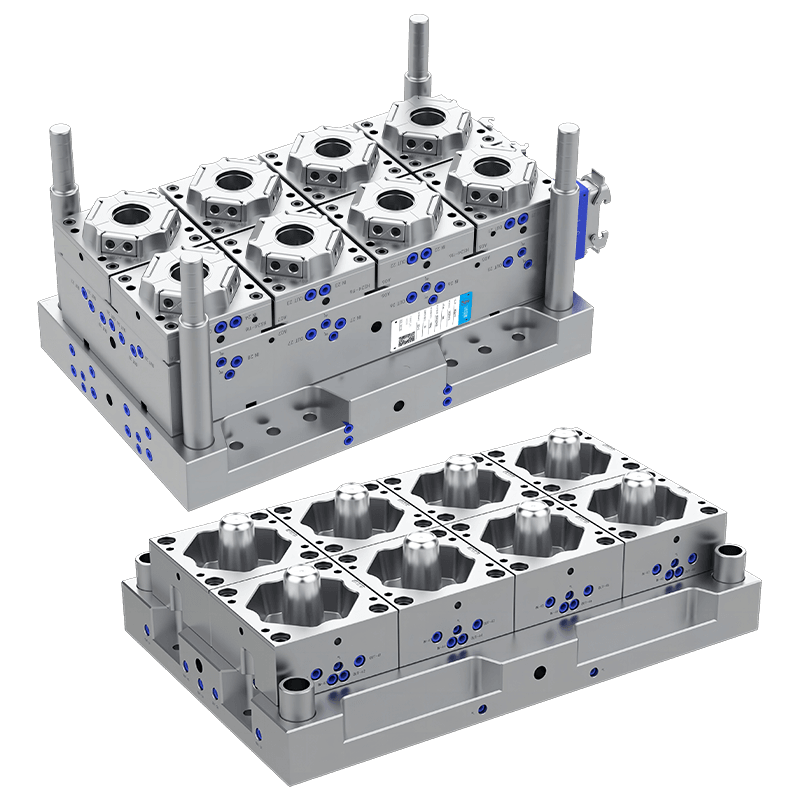
Bubble Tea Plastic Cup Mold: The Tooling That Forms the Cup for the Drink With the Straw
A bubble tea cup is a thin plastic cup with a domed lid and a sealed film top. It holds the tea, the milk, the tapioca p...
read more -
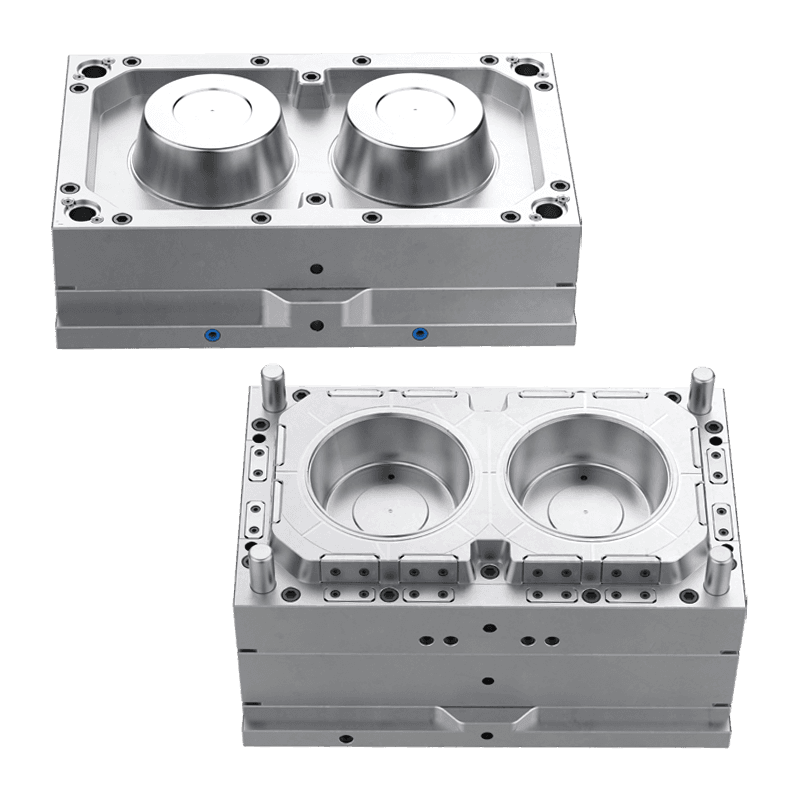
Plastic Round Food Container Mold: The Tooling That Shapes the Tub on the Shelf
A round plastic tub holds yogurt, soup, dips, and leftovers. It is a simple shape: a round body, a rim, a base. The mold...
read more -

Thin Wall Food Container Mould Factory: The Tooling Behind Lightweight Packaging
A yogurt cup weighs a few grams. A takeout container's wall is thinner than a credit card. These parts are injection mol...
read more -

Plastic Fork Mold Factory: The Tooling Behind the Disposable Fork
A plastic fork costs a fraction of a cent to make. It is used once and thrown away. But the mold that produces it is a p...
read more -

Plastic Rectangular Food Container Mold: The Tooling Behind Meal Prep and Takeout
A meal prep box with three compartments. A takeout container with a snap-on lid. A rectangular tub of spreads or sauces....
read more -
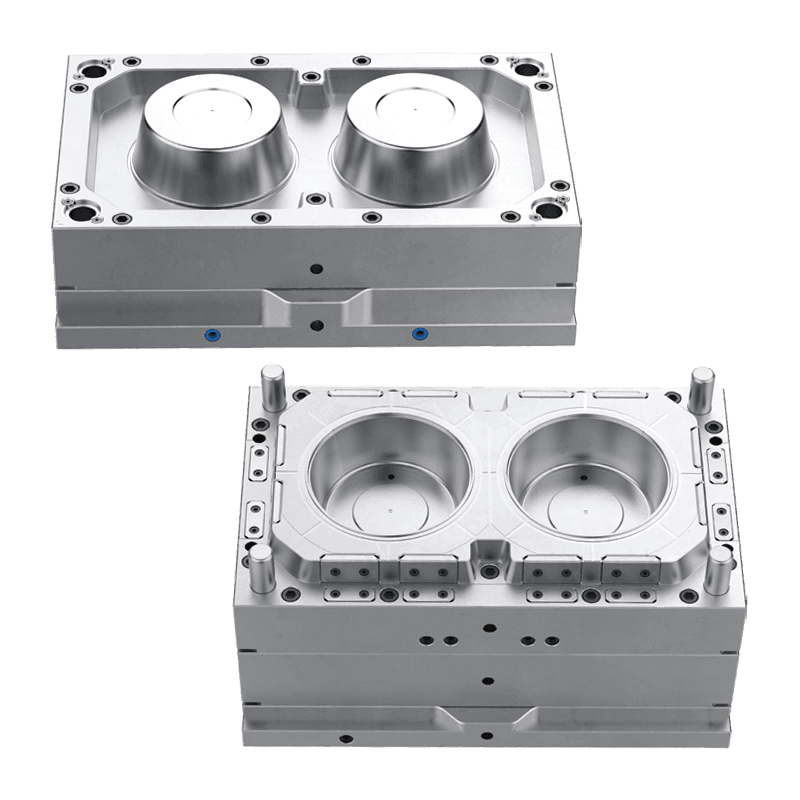
Plastic Round Food Container Mold: The Tooling That Shapes the Container on Every Shelf
A pint of soup. A tub of yogurt. A clear plastic container of mixed fruit. These are round, stackable, and sealed with a...
read more -
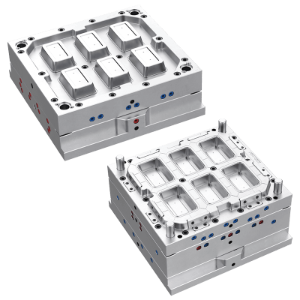
Plastic Food Container Mould Factory: The Tooling Behind Every Takeout Box and Storage Container
A clear deli container, a meal prep box with locking lids, a yogurt cup sealed with foil. These are not handmade. They a...
read more -
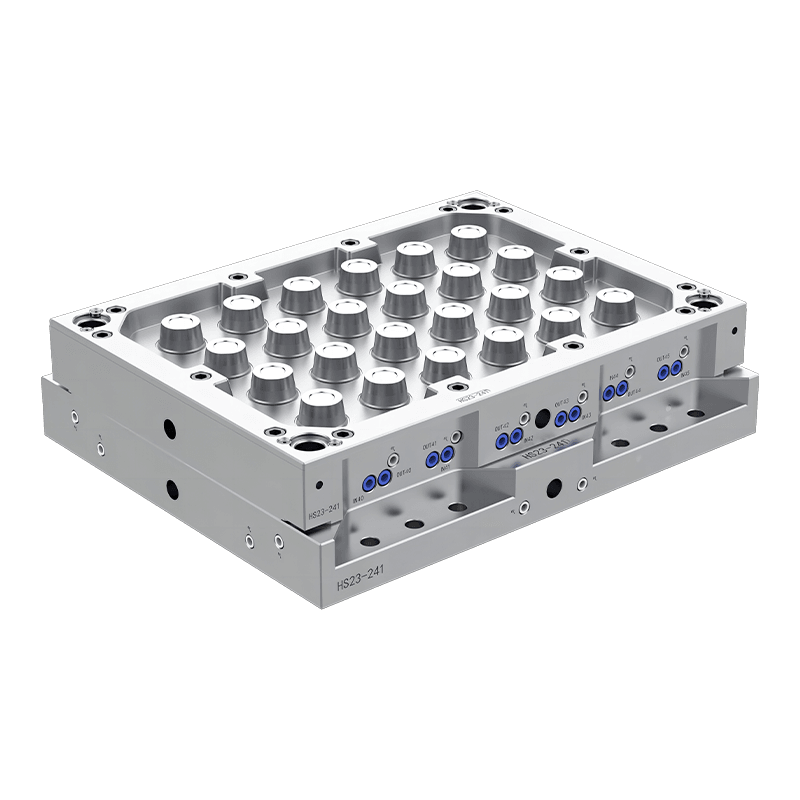
Thin Wall Injection Moulding Manufacturer: The Speed Behind Lightweight Packaging
A plastic food container with walls under a millimeter thick. A disposable cup that weighs a few grams. A lid that snaps...
read more
Contact Us
Email: [email protected]; Or fill out the contact form below.

Yongkang Huashun Mould Co., Ltd. is a technology-based enterprise specializing in the production of thin-walled injection molds.
PRODUCT
- Disposable Plastic Round Food Container Moulds
- Disposable Plastic Square Food Container Moulds
- Disposable Bubble Tea Plastic PP Cup Mould Series
- Disposable Plastic Knife Fork And Spoon Mould Series
- Disposable Plastic Multi-grid Food Container Mould Series
- Disposable Plastic Portion Cup Mould Series
- Disposable Plastic Cup Mould Series
 Email:
  Phone: +86-18067655796
 Tel: +86-0579-87137609
 Add: No. 218, Shangpu Road, Yongkang Economic Development Zone, Jinhua City, Zhejiang Province, China


