
 English
 中文简体
中文简体 русский
 Español
 Français
Plastic Food Container Mould Factory: The Tooling Behind the Tub on the Shelf
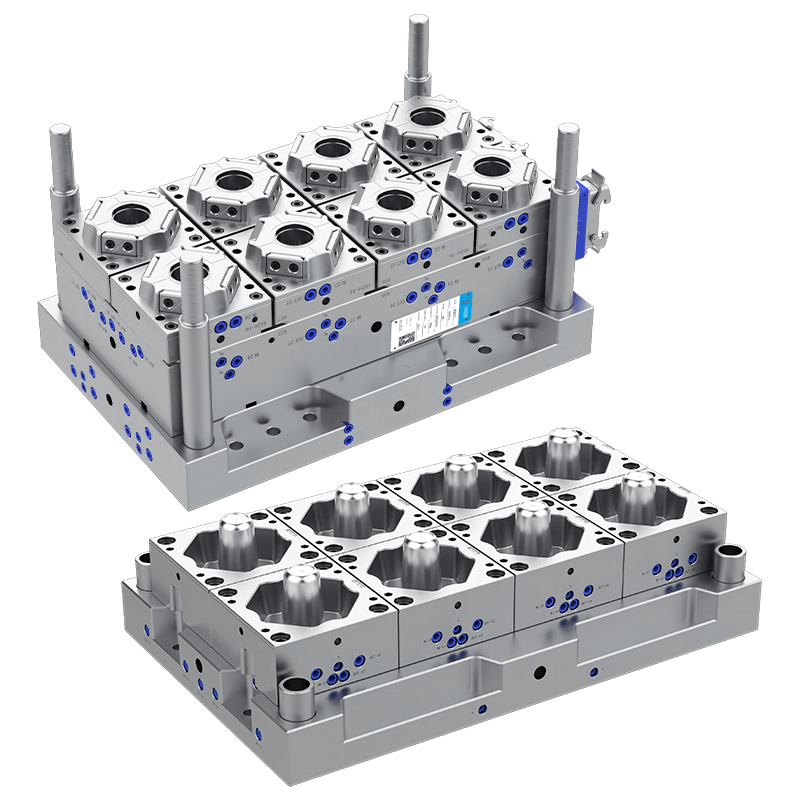
A plastic food container is a simple product. A round tub, a square box, a lid that snaps. The mold that makes it is not simple. The cavity has to fill fast, cool evenly, and eject the part without warping it. The rim has to be flat enough to seal. The plastic food container mould factory builds that tooling for the packaging converters and the food brands. The container costs cents. The mold behind it runs for years.
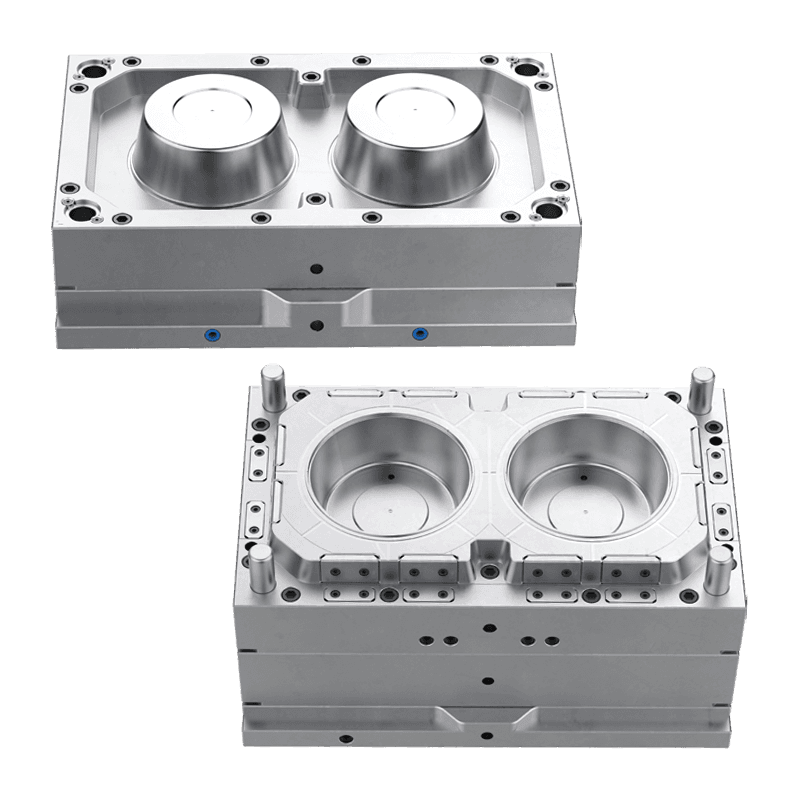
The Wall Thickness Sets the Cycle
A food container is a thin-wall part. The wall runs under a millimeter on the smaller tubs and slightly more on the larger boxes. The thin wall is what makes the container cheap and the cycle fast. The mold has to fill the thin cavity before the melt freezes. The gate and the runner are sized for the fast fill.
The cooling channels pull the heat out of the thin wall in seconds. The core is the harder side to cool because it sits inside the part. A plastic food container mould factory that uses the bubblers or the conformal cooling in the core hits the cycle time the packaging line needs.
The Rim Is the Seal
The rim is the sealing surface. The lid snaps over it or the film seals to it. The rim has to be flat and smooth and free of flash. A rim that is not flat leaks. A rim with a thin fin of flash lifts the film and the seal fails.
A plastic food container mould factory machines the rim to the tolerance and maintains the parting line. The rim is the part the consumer never looks at and the part the seal depends on.
The Lid Is a Second Mold
Most food containers have two parts: the base and the lid. They are molded in two separate molds, often on two separate presses. The lid snaps onto the base. The two molds have to fit together. The tolerances between them decide whether the lid seals or pops off.
A plastic food container mould factory that builds both the base and the lid controls the fit. A factory that builds only one and hopes the other matches from another supplier is gambling with the seal.
Here is what a plastic food container mould factory has to deliver:
- Thin-wall cavity that fills before the melt freezes
- Cooling channels in the core and the cavity
- Flat rim with the controlled tolerance
- Base and lid molds that fit together
- Multi-cavity layout with the balanced fill
- Ejection that does not mark the visible surface
Where the Containers Go
The food packager uses the container for the deli, the takeout, and the prepared meals. The dairy uses the tub for the yogurt and the sour cream. The frozen food producer uses the container for the ice cream and the ready meals. Each one needs the seal and the stacking.
The Rim That Leaks
The rim leaks because the seal surface was not flat. The container warps because the cooling was uneven. The lid pops off because the two molds were not matched. The base cracks because the wall was too thin at the corner. Each one is a tooling decision the converter discovers on the packaging line.
A plastic food container mould factory builds the tooling behind the tub on the shelf. The cavity fills. The cooling pulls. The rim seals. Choose a factory that builds both the base and the lid and holds the tolerance.
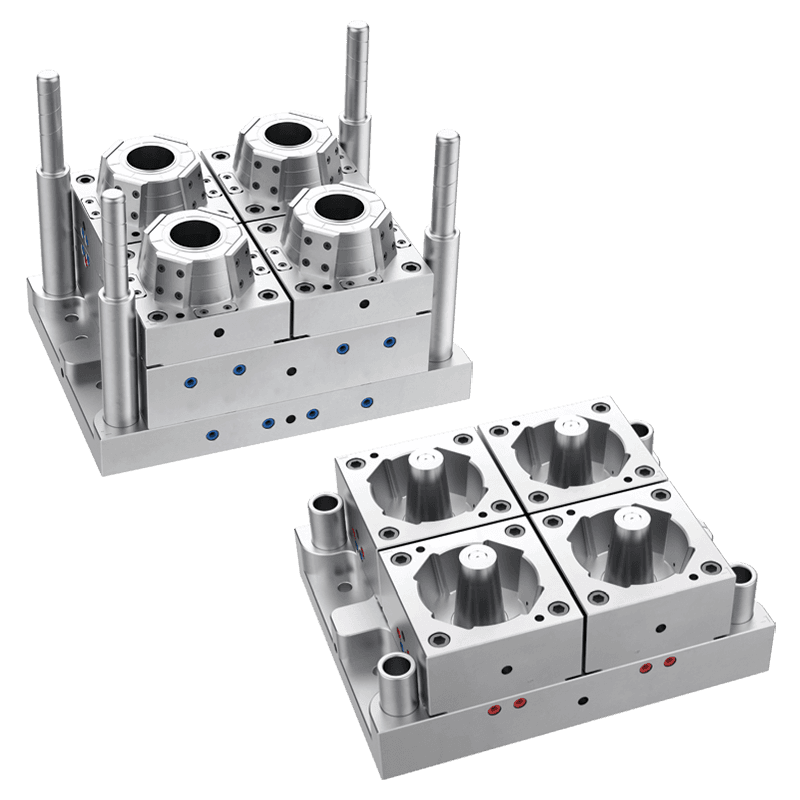
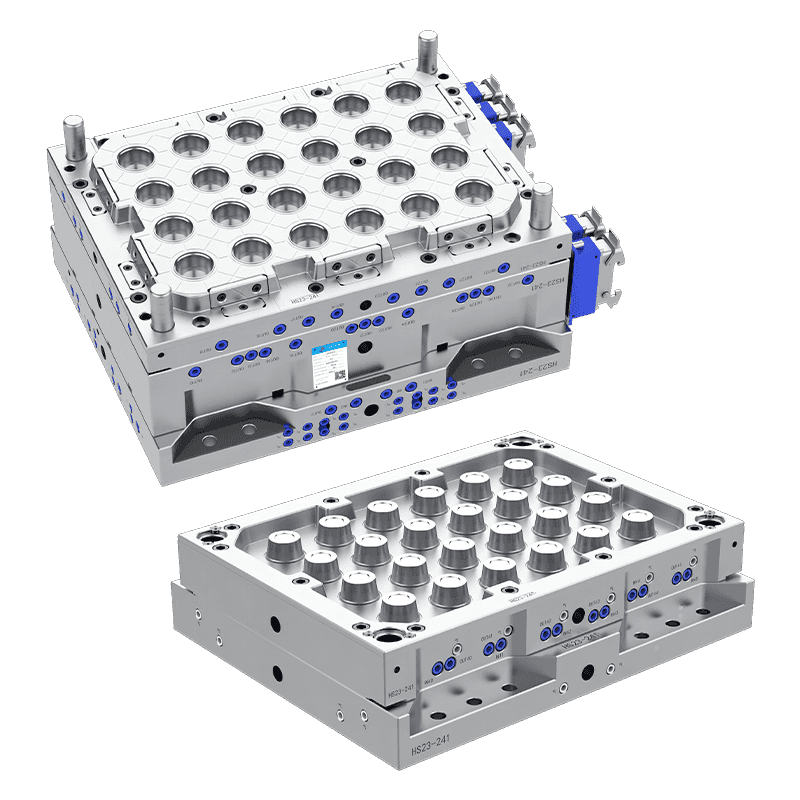
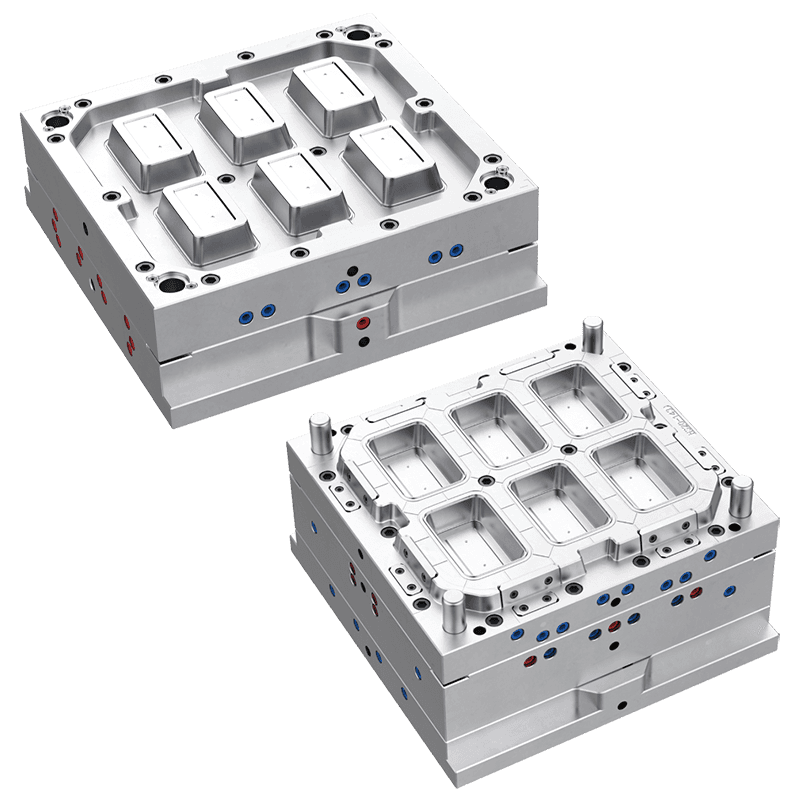
Contact Us
Email: [email protected]; Or fill out the contact form below.

Yongkang Huashun Mould Co., Ltd. is a technology-based enterprise specializing in the production of thin-walled injection molds.
PRODUCT
- Disposable Plastic Round Food Container Moulds
- Disposable Plastic Square Food Container Moulds
- Disposable Bubble Tea Plastic PP Cup Mould Series
- Disposable Plastic Knife Fork And Spoon Mould Series
- Disposable Plastic Multi-grid Food Container Mould Series
- Disposable Plastic Portion Cup Mould Series
- Disposable Plastic Cup Mould Series
 Email:
  Phone: +86-18067655796
 Tel: +86-0579-87137609
 Add: No. 218, Shangpu Road, Yongkang Economic Development Zone, Jinhua City, Zhejiang Province, China


