
 English
 中文简体
中文简体 русский
 Español
 Français
Thin Wall Injection Moulding Manufacturer: The Speed Behind Lightweight Packaging
A plastic food container with walls under a millimeter thick. A disposable cup that weighs a few grams. A lid that snaps on and off thousands of times. These parts are not just molded. They are molded at speeds that turn seconds into pieces. A thin wall injection moulding manufacturer builds the tooling and runs the presses that produce lightweight, high-volume plastic packaging. The walls are thin. The cycle times are short. The margins are tight. Every fraction of a second saved in the cycle and every fraction of a gram saved in the part drops directly to the bottom line. Here is what packaging brands, food manufacturers, and contract molders need to know about the process behind the parts.
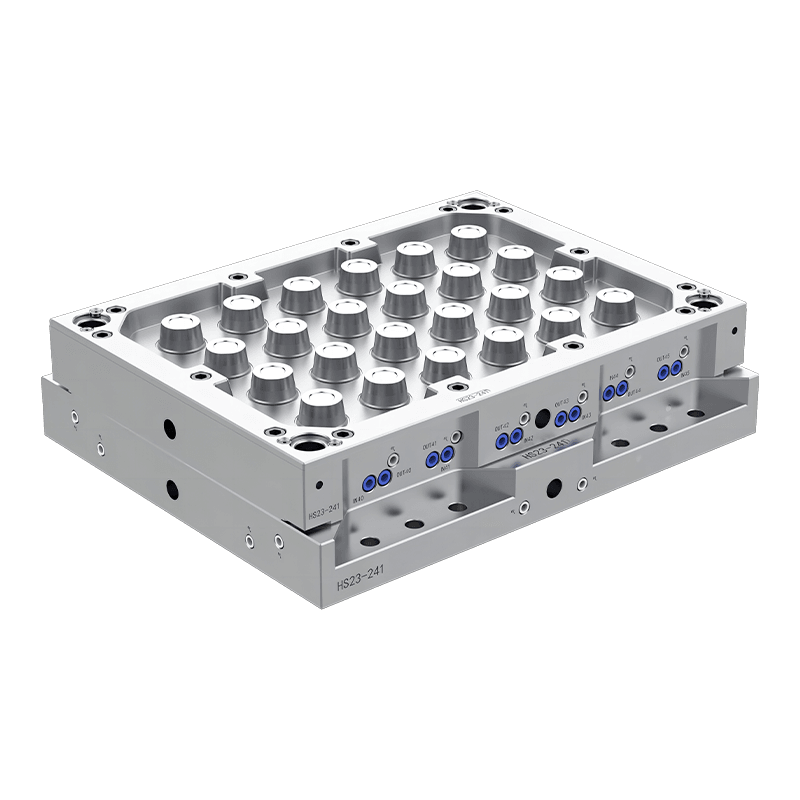
The Injection That Fills Before It Freezes
Thin wall molding is a race against solidification. Molten plastic enters a mould cavity and begins to cool the instant it touches the cavity wall. In a standard part with walls two or three millimeters thick, the melt has time to flow before the skin freezes. In a thin wall part with walls under a millimeter, the flow path has to fill completely before the frozen layer chokes it off.
A thin wall injection moulding manufacturer uses injection speeds measured in milliseconds. The melt enters the cavity under high pressure through multiple gates positioned to less the flow distance. If the flow distance is too long for the wall thickness, the melt freezes before the cavity fills and the part comes out short. The gate locations, the number of gates, and the injection pressure profile are calculated to fill every corner of the cavity at the same instant.
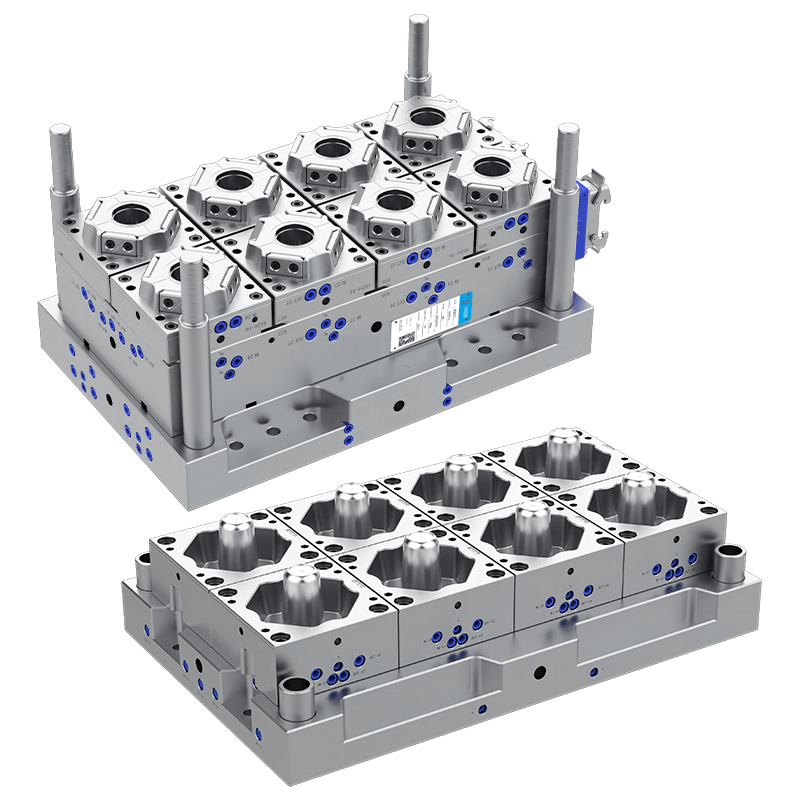
The mould itself is built for speed and pressure. Thin wall moulds see injection pressures that push the limits of standard mould construction. A thin wall injection moulding manufacturer builds the mould from high-hardness tool steel with thicker backing plates and additional support pillars. A mould that deflects under injection pressure produces parts with wall thickness variation. A mould that stays rigid produces parts that weigh the same every shot.
The Cycle Time That Pays for the Press
Cycle time in thin wall molding is everything. The press opens, the parts eject, the mould closes, the next shot fires. A cycle that runs half a second faster across millions of parts per year adds up to real throughput. A thin wall injection moulding manufacturer designs the cooling system to pull heat out of the part as fast as the mould can run.
Cooling channels follow the cavity shape as closely as possible. Conformal cooling, where channels are 3D-printed to match complex part geometry, removes heat from areas that straight drilled channels cannot reach. A thin wall injection moulding manufacturer using conformal cooling in high-volume moulds cuts cycle time by removing hot spots that would otherwise force a longer cooling phase.
Ejection is the other half of the cycle time equation. Thin wall parts are flexible when hot. Ejector pins that push too hard leave marks. Ejector pins that push too softly leave the part stuck on the core. A thin wall injection moulding manufacturer designs the ejection system with stripper plates, air assist, or large-diameter pins that push on ribs and edges to release the part quickly without distortion.
Robotic part removal runs in parallel with the mould opening. A high-speed robot enters the open mould, grabs the parts, and clears the mould area before the next close cycle. A thin wall injection moulding manufacturer integrates the robot path and timing into the mould design so the mould does not wait for the robot.
The Part Design That Makes Thin Walls Work
Thin walls need structure. A flat panel with no ribs warps as it cools. A thin wall injection moulding manufacturer adds ribs, gussets, and curved surfaces that stiffen the part without increasing wall thickness. The ribs themselves have to be thin enough to cool quickly, typically sixty to eighty percent of the wall thickness, or they create sink marks on the opposite surface.
Draft angles get the part off the core. A part with zero draft sticks in the mould and slows ejection. A thin wall injection moulding manufacturer specifies draft angles that release cleanly without adding cycle time. Draft on thin wall parts is typically half a degree to one degree on the core side, less on the cavity side, but never zero.
Material choice affects everything. Polypropylene is the standard for thin wall packaging because it flows well, is inexpensive, and handles the high injection speeds. High-flow grades with a melt flow index above 30 grams per 10 minutes fill thin sections faster. A thin wall injection moulding manufacturer selects the material grade for the specific part geometry and wall thickness, balancing flow length against impact strength and stiffness requirements.
Here is what a thin wall moulding operation needs to run profitably:
- Injection speeds and pressures matched to the part wall thickness and flow length
- Mould construction with hardened steel and support pillars to handle injection forces
- Cooling design that removes heat evenly and shortens the cycle time
- Ejection system that releases parts quickly without distortion or pin marks
- Material grade with melt flow index optimized for the specific part geometry
What Separates a Thin Wall Operation That Delivers
Shot-to-shot consistency is the metric that matters. A thin wall injection moulding manufacturer that holds part weight within a fraction of a gram across the entire production run produces parts that fit, seal, and stack the way the customer expects. Weight variation means wall thickness variation. Wall thickness variation means some lids are loose and some containers crack.
The mould maintenance interval determines uptime. A thin wall mould running at high speed with high injection pressure wears faster than a standard mould. A thin wall injection moulding manufacturer with a preventive maintenance schedule that includes cavity inspection, ejector pin replacement, and cooling channel cleaning keeps the mould running at full speed without unplanned stops.
A thin wall injection moulding manufacturer turns plastic pellets into packaging at a rate measured in parts per second. The walls are thin. The margins depend on speed. The quality depends on mould construction, cooling design, and process control. Choose a manufacturer that builds moulds for high-pressure injection, cools them for short cycles, and runs them with the consistency that keeps part weight on target. The containers will stack, the lids will seal, and the production line will run at the speed it was designed to run. That is the whole equation.
Contact Us
Email: [email protected]; Or fill out the contact form below.

Yongkang Huashun Mould Co., Ltd. is a technology-based enterprise specializing in the production of thin-walled injection molds.
PRODUCT
- Disposable Plastic Round Food Container Moulds
- Disposable Plastic Square Food Container Moulds
- Disposable Bubble Tea Plastic PP Cup Mould Series
- Disposable Plastic Knife Fork And Spoon Mould Series
- Disposable Plastic Multi-grid Food Container Mould Series
- Disposable Plastic Portion Cup Mould Series
- Disposable Plastic Cup Mould Series
 Email:
  Phone: +86-18067655796
 Tel: +86-0579-87137609
 Add: No. 218, Shangpu Road, Yongkang Economic Development Zone, Jinhua City, Zhejiang Province, China


