
 English
 中文简体
中文简体 русский
 Español
 Français
What are the precautions for using food container mold?
Design Considerations for Food Container Molds
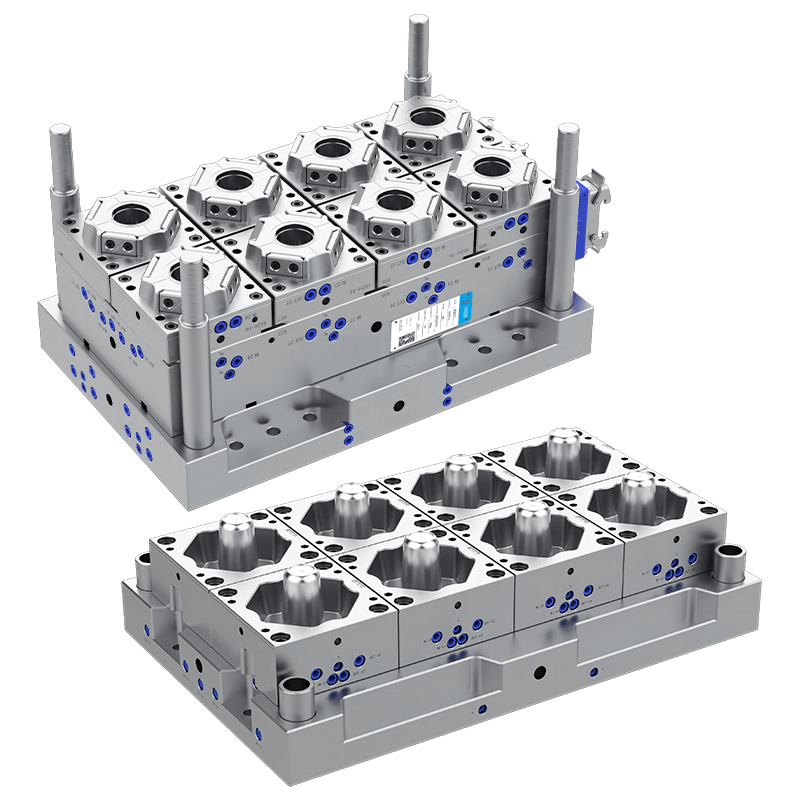
When using food container molds, the design must be tailored to the specific requirements of the product, ensuring efficiency and reliability during production.
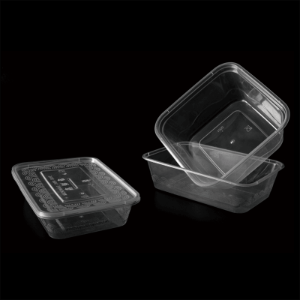
Mold Size and Shape
The design should accommodate the required container size and shape, considering both the volume and dimensions. Molds that are too large or small for the intended purpose may lead to improper forming, wasted materials, or operational inefficiencies.
Complexity of Design
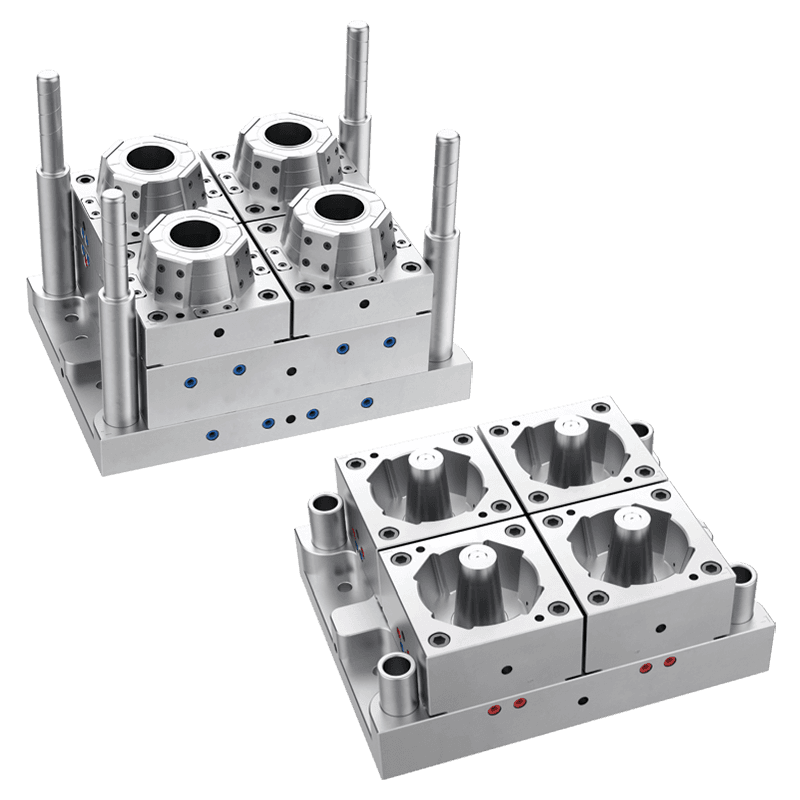
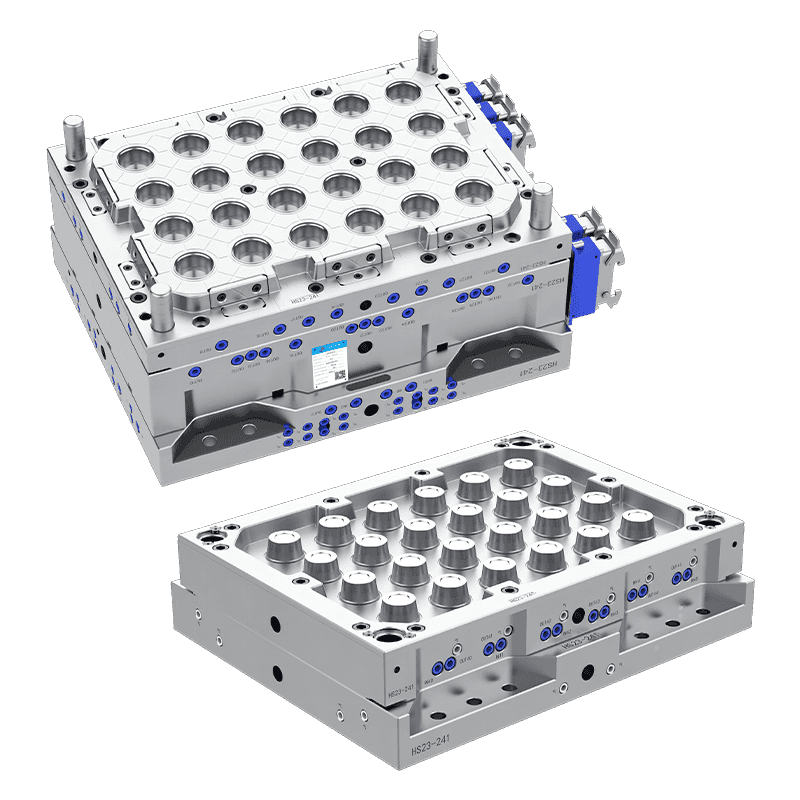
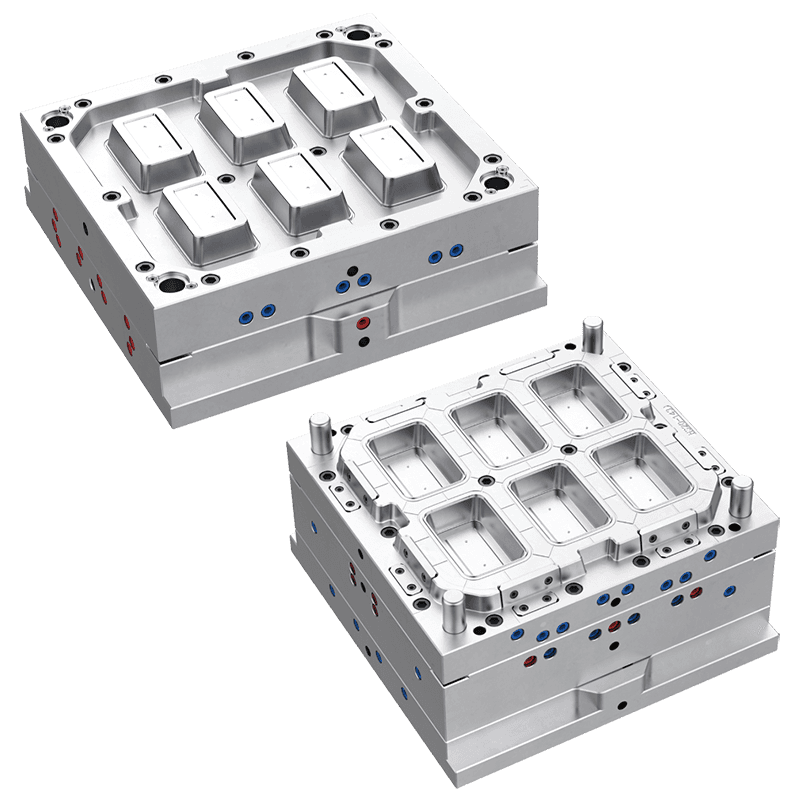
Simple designs are often easier to manufacture, but more intricate molds are needed for specialized containers, such as those with multi-compartments or intricate textures. These complex designs should be carefully analyzed for practicality in production and ease of mold maintenance.
Venting and Cooling
Proper venting is crucial to avoid trapped air or gases during the molding process. Cooling channels should also be well designed to ensure uniform cooling and to prevent warping or shrinkage of the final product.
Durability and Precision
The mold should be durable enough to withstand the pressures of multiple production cycles without degradation in precision. The use of high-quality materials in mold construction ensures the longevity and reliability of the mold.
Material Selection for Food Container Molds
Material selection is crucial when it comes to food container molds, as it affects the quality, safety, and functionality of the final product.
Food-Safe Materials
The materials used in the mold should comply with food safety regulations. Stainless steel, for example, is commonly used due to its non-reactivity and ease of cleaning. Mold materials should not leach harmful chemicals into the food container during production or storage.
Material Compatibility
Different molding processes may require specific materials, such as silicone for flexible molds, aluminum for heat conductivity, or thermoplastics for ease of shaping. It’s essential to ensure the material used for the mold is compatible with the intended food-grade container material.
Durability and Wear Resistance
Mold materials should be durable enough to withstand repeated exposure to high temperatures, pressure, and chemicals used during production. Using low-quality materials can result in the molds losing their shape over time or developing defects that affect the final product.
Eco-Friendly Materials
There is a growing demand for environmentally friendly food containers. Using recyclable or biodegradable materials for the mold, where feasible, aligns with sustainable production practices and market trends for eco-conscious products.
Careful material selection ensures both the longevity of the mold and the safety of the food container, which directly impacts the product's quality and compliance with regulations.
Regular Maintenance of Food Container Molds
Proper maintenance is essential to preserve the efficiency and performance of food container molds over time.
Cleaning and Decontamination
Molds must be regularly cleaned to remove residue, dust, or food particles. In the case of plastic food containers, mold release agents might also accumulate on the surfaces. Ensuring thorough cleaning helps prevent contamination of the products and ensures smooth operation during molding.
Lubrication and Corrosion Prevention
Applying lubricants to moving parts of the mold, such as hinges and locking mechanisms, helps to reduce wear and friction. Furthermore, preventing corrosion through regular oiling or coating the molds with anti-corrosive agents ensures they maintain their integrity, especially when exposed to moisture or high temperatures.
Inspecting for Wear and Tear
Regular inspections of molds for wear, cracks, or deformation are essential for detecting issues early. Neglecting these checks may lead to defects in the molded products or mold failure. Replacement or repair of damaged parts extends the mold’s lifespan and ensures consistent product quality.
Storage and Handling
Proper storage of molds when not in use is also important. They should be stored in a dry, clean environment to prevent rust, dust accumulation, or physical damage. Handles and other delicate components should be protected from accidental damage during transportation or storage.
Maintaining molds in top condition ensures high-quality food containers and prevents unexpected production delays or costs.
Safety Precautions When Using Food Container Molds
Safety is a critical concern when working with food container molds to ensure the well-being of the operators and the integrity of the products.
Proper Equipment Handling
Operators should be trained to handle molds with care. Molds, especially those used in industrial processes, can be heavy and require safe lifting techniques to avoid injury. Additionally, operators should always follow the correct procedures for operating molding machines.
Temperature Safety
Molds can reach high temperatures during the molding process. Operators should wear appropriate protective gear, including heat-resistant gloves, to prevent burns. Proper ventilation should be ensured in the workplace to avoid exposure to hot air or fumes.
Chemical Safety
Some food container molds may involve the use of release agents or cleaning chemicals that can be harmful if mishandled. Operators should be aware of the chemical safety guidelines and wear protective equipment such as goggles or masks.
Emergency Protocols
Workplaces should have clear emergency protocols in place in case of mold breakage, fire, or other accidents. First-aid kits, fire extinguishers, and other safety equipment should be easily accessible.
Contact Us
Email: [email protected]; Or fill out the contact form below.

Yongkang Huashun Mould Co., Ltd. is a technology-based enterprise specializing in the production of thin-walled injection molds.
PRODUCT
- Disposable Plastic Round Food Container Moulds
- Disposable Plastic Square Food Container Moulds
- Disposable Bubble Tea Plastic PP Cup Mould Series
- Disposable Plastic Knife Fork And Spoon Mould Series
- Disposable Plastic Multi-grid Food Container Mould Series
- Disposable Plastic Portion Cup Mould Series
- Disposable Plastic Cup Mould Series
 Email:
  Phone: +86-18067655796
 Tel: +86-0579-87137609
 Add: No. 218, Shangpu Road, Yongkang Economic Development Zone, Jinhua City, Zhejiang Province, China


