
 English
 中文简体
中文简体 русский
 Español
 Français
What Are the Advantages of Moulds for Plastic Cups?
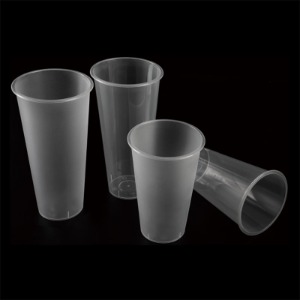
Moulds for plastic cups are essential tools in the production of disposable and reusable cups. They allow manufacturers to produce cups efficiently and with consistent quality. These moulds are used in industries ranging from food and beverage to medical and laboratory applications.
Efficiency in Production
One of the primary advantages of moulds for plastic cups is their ability to produce large quantities of cups quickly. Injection moulding, for instance, allows molten plastic to be injected into a mould cavity, where it cools and solidifies into the desired shape. This process is highly repeatable, enabling manufacturers to meet high-volume demands without compromising quality.
Blow moulding is another method used for hollow cups or cups with thicker walls. The efficiency of blow moulding lies in its ability to create uniform hollow shapes in a single cycle. Both methods reduce production time and labor costs compared to manual forming processes, making plastic cup production more economical and scalable.
Consistency and Quality Control
Moulds ensure that each plastic cup produced maintains consistent dimensions, wall thickness, and shape. This consistency is critical for stacking, packaging, and meeting regulatory standards, especially in food and beverage applications.
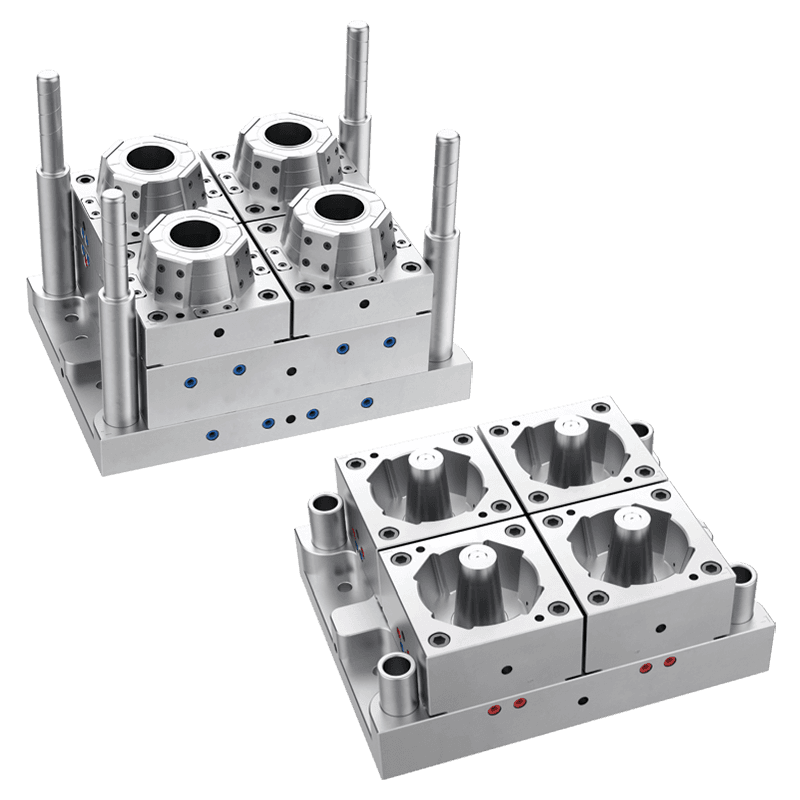
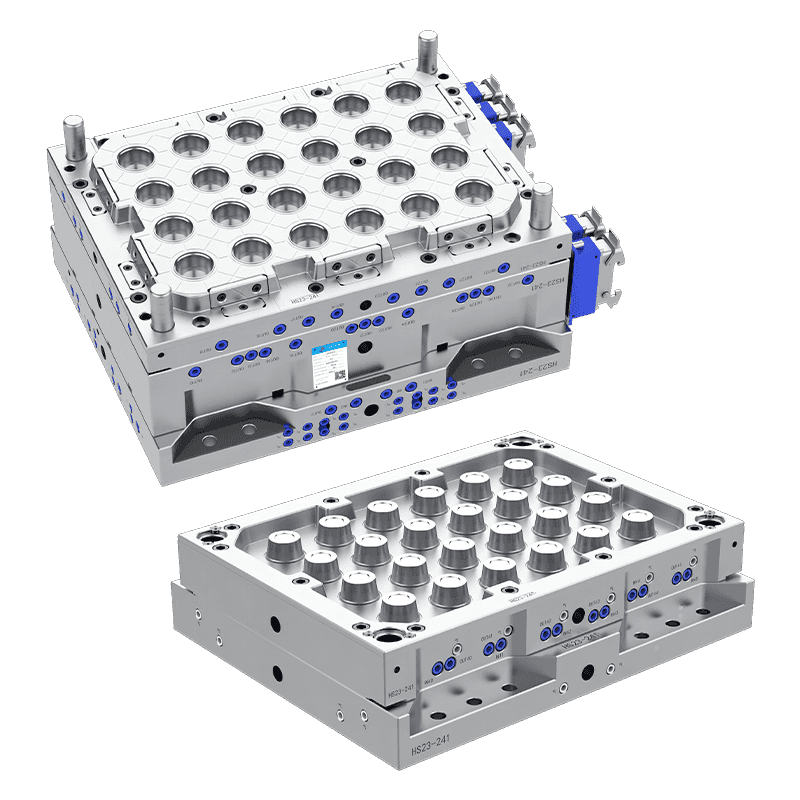
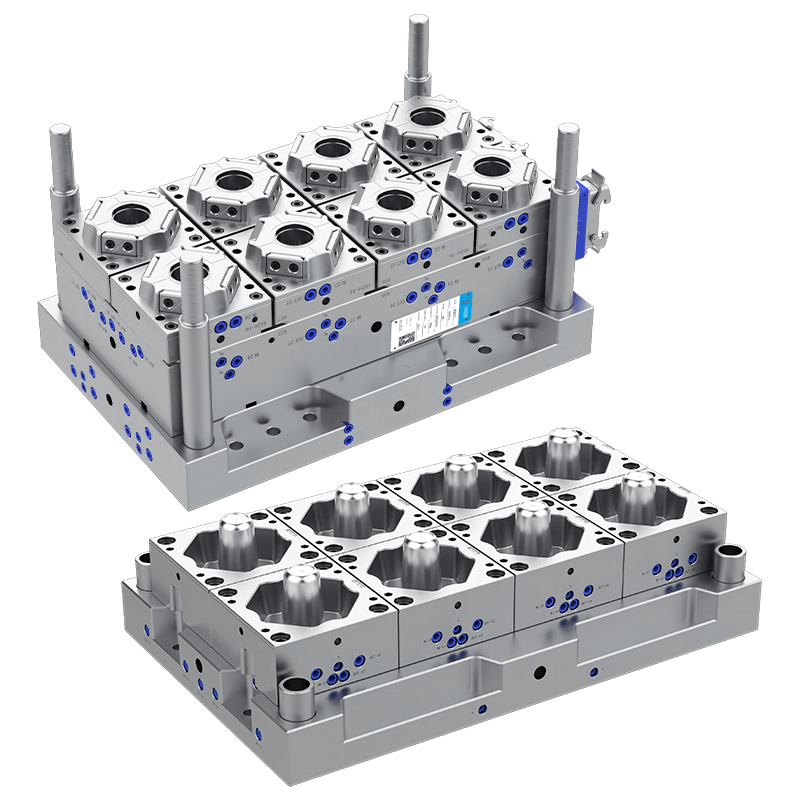
Multi-cavity moulds allow several cups to be produced simultaneously, maintaining uniformity across batches. Precision-engineered moulds also reduce defects such as warping, uneven walls, or surface imperfections. This level of quality control is difficult to achieve with manual methods, making moulds an essential tool for maintaining the reliability and appearance of plastic cups.
Types of Plastic Cup Moulds
Several types of moulds are used in plastic cup manufacturing, each suited for specific applications.
Injection Moulds: These are used for solid plastic cups or cups with thick walls. Injection moulds provide high precision and can produce complex shapes with detailed features.
Blow Moulds: Blow moulding is used for hollow cups, such as single-use drinking cups. This method allows uniform wall thickness and the ability to create lightweight yet sturdy cups.
Thermoforming Moulds: Thermoforming involves heating plastic sheets and forming them into cup shapes using a mould. This method is suitable for producing shallow or wide cups and is often used in packaging applications.
Stackable Moulds: Some moulds are designed specifically to produce stackable cups that can be easily nested for storage and transportation. These moulds focus on uniform taper and rim design to ensure proper stacking.
Material Efficiency and Customization
Plastic cup moulds allow manufacturers to optimize material use, reducing waste and lowering production costs. By adjusting mould cavity designs, manufacturers can control wall thickness and shape to minimize excess material while maintaining structural integrity.
Additionally, moulds can be customized to create cups of different sizes, shapes, and surface textures. Branding elements, such as embossed logos or patterns, can also be integrated into the mould design. This flexibility enables manufacturers to meet diverse market needs while maintaining efficiency and product quality.
Contact Us
Email: [email protected]; Or fill out the contact form below.

Yongkang Huashun Mould Co., Ltd. is a technology-based enterprise specializing in the production of thin-walled injection molds.
PRODUCT
- Disposable Plastic Round Food Container Moulds
- Disposable Plastic Square Food Container Moulds
- Disposable Bubble Tea Plastic PP Cup Mould Series
- Disposable Plastic Knife Fork And Spoon Mould Series
- Disposable Plastic Multi-grid Food Container Mould Series
- Disposable Plastic Portion Cup Mould Series
- Disposable Plastic Cup Mould Series
 Email:
  Phone: +86-18067655796
 Tel: +86-0579-87137609
 Add: No. 218, Shangpu Road, Yongkang Economic Development Zone, Jinhua City, Zhejiang Province, China


