
 English
 中文简体
中文简体 русский
 Español
 Français
Plastic Food Container Mould for Takeout Boxes
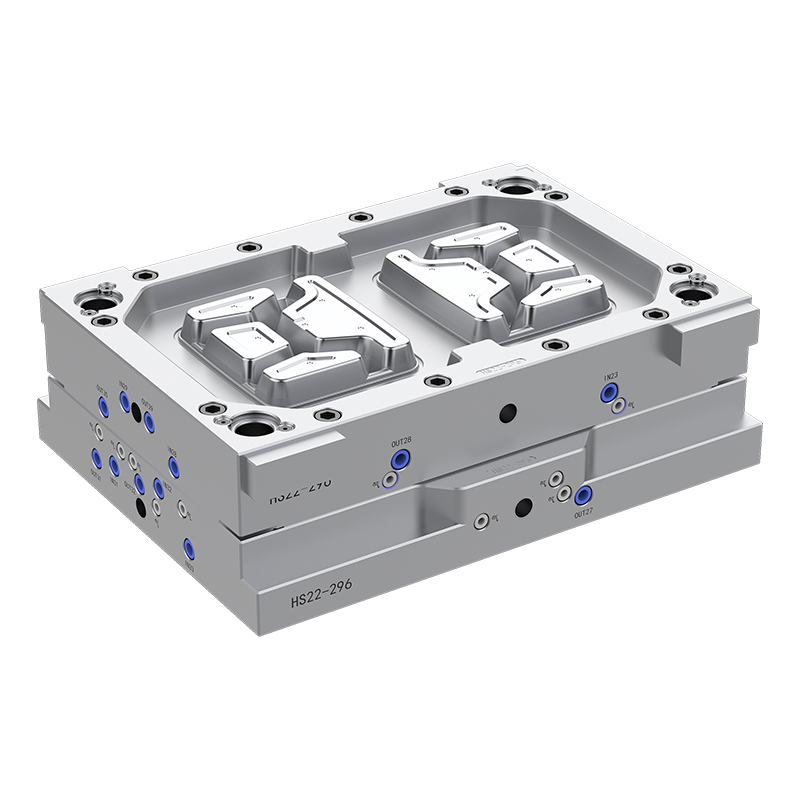
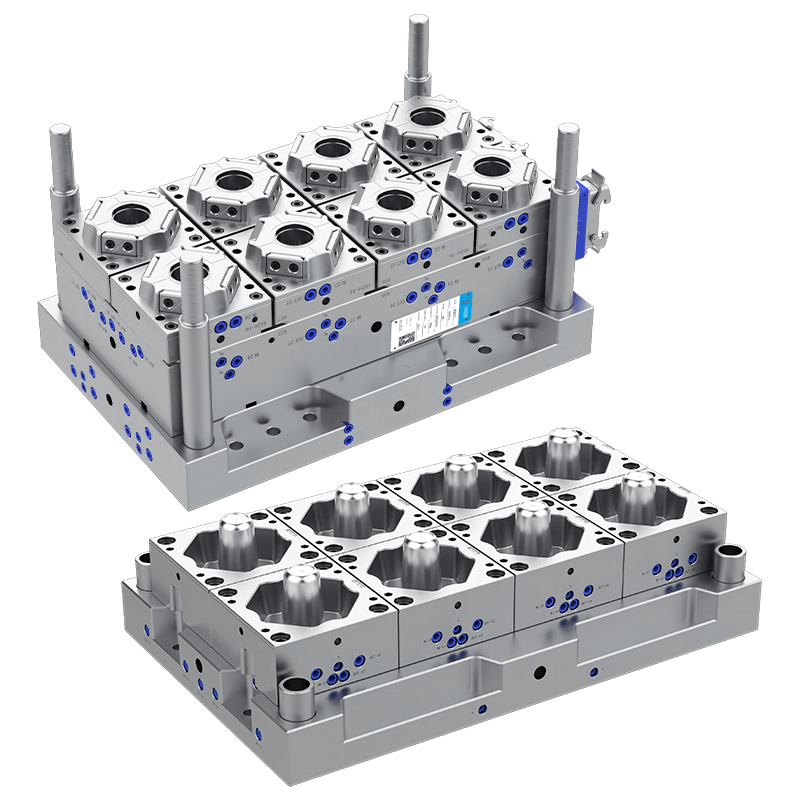
Every plastic food container starts as a mould. A steel tool with a cavity shaped like a container. Molten plastic goes in. The mould opens. A container comes out. A plastic food container mould needs to make containers that stack, seal, and survive the freezer and microwave. Here is what buyers look for.
What a Plastic Food Container Mould Does
The mould shapes the container, lid, or both
A plastic food container mould can make just the container. The buyer buys a separate lid mould. Or the mould makes both in one shot. A two-cavity mould. One cavity for the container. One for the lid. The machine runs both at the same time.
The container has features. A rim for the lid to snap onto. Ribs in the base for strength. A smooth interior for easy cleaning. The mould creates all of these.
The lid needs to snap on and seal
Food containers leak if the lid does not seal. A plastic food container mould for the lid needs precise dimensions. The lid snaps onto the container rim. Not too tight. Not too loose.
The seal is a thin flexible lip on the lid. The mould creates this lip. Too thick, and the lid is hard to close. Too thin, and the seal leaks.
Plastic Materials for Food Containers
Polypropylene is the common food container plastic
PP is food safe. Dishwasher safe. Microwave safe. A plastic food container mould for polypropylene runs at high temperature. The plastic melts at 160 degrees Celsius. The mould needs to handle that heat.
PP is flexible. The lid snaps on without breaking. The container bends instead of cracking when dropped.
PET is clear and recyclable
PET is the plastic in water bottles. Clear. Rigid. A plastic food container mould for PET makes containers that show the food inside. Good for deli salads and fruit cups.
PET does not handle heat well. Not for microwave use. Not for dishwasher.
Here is how plastics compare for food containers:
- Polypropylene (PP) — microwave safe, dishwasher safe, flexible, good for containers
- PET — clear, rigid, not for heat, good for cold food
- Polyethylene (PE) — flexible, not as rigid as PP, good for lids
- Polystyrene (PS) — cheap, brittle, not for microwave, single use
What to Look for in a Plastic Food Container Mould
Cavity count matches your production volume
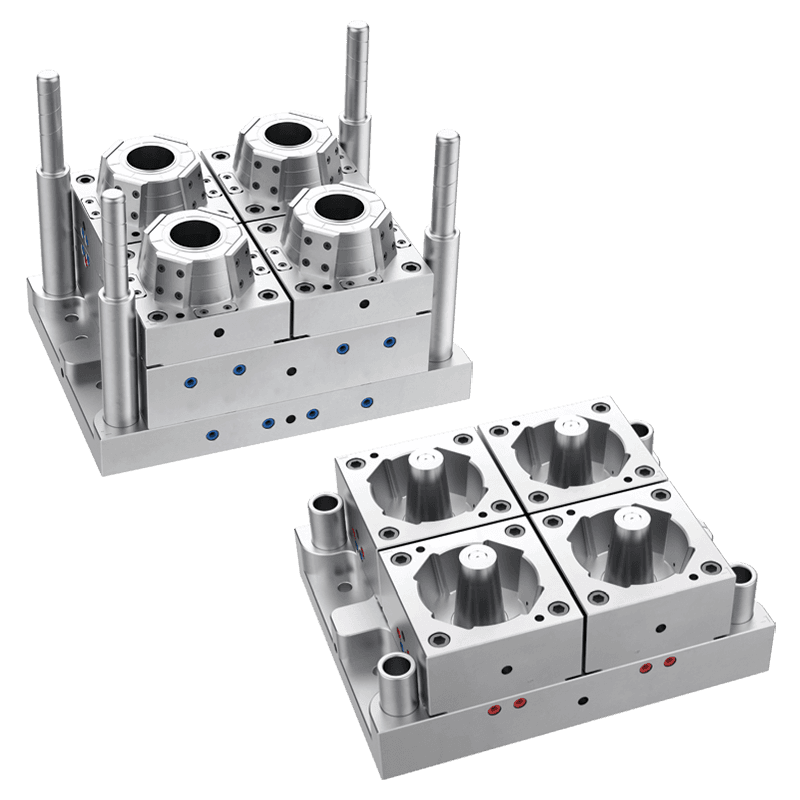
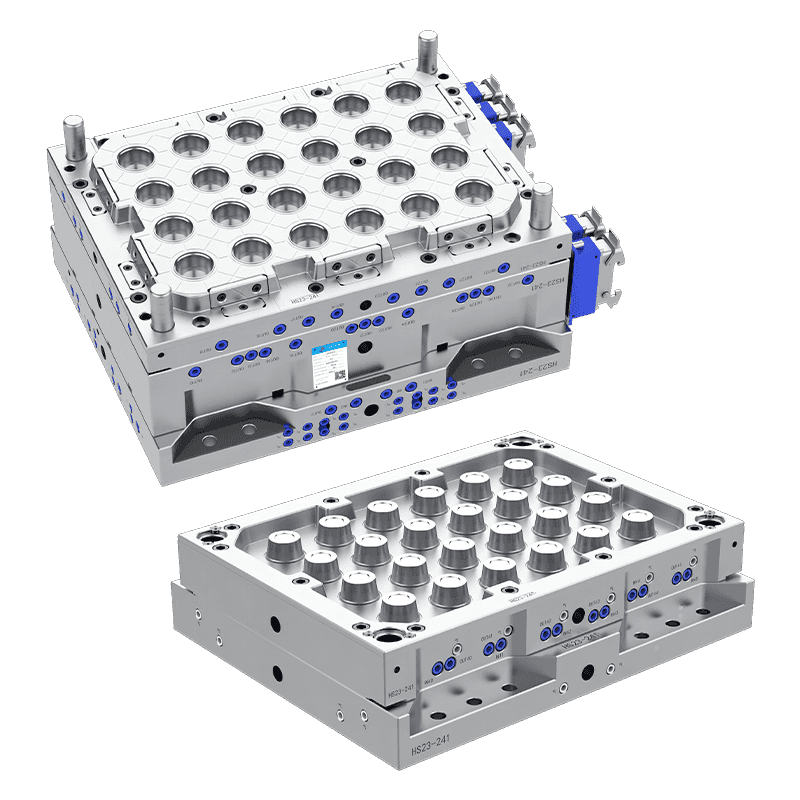
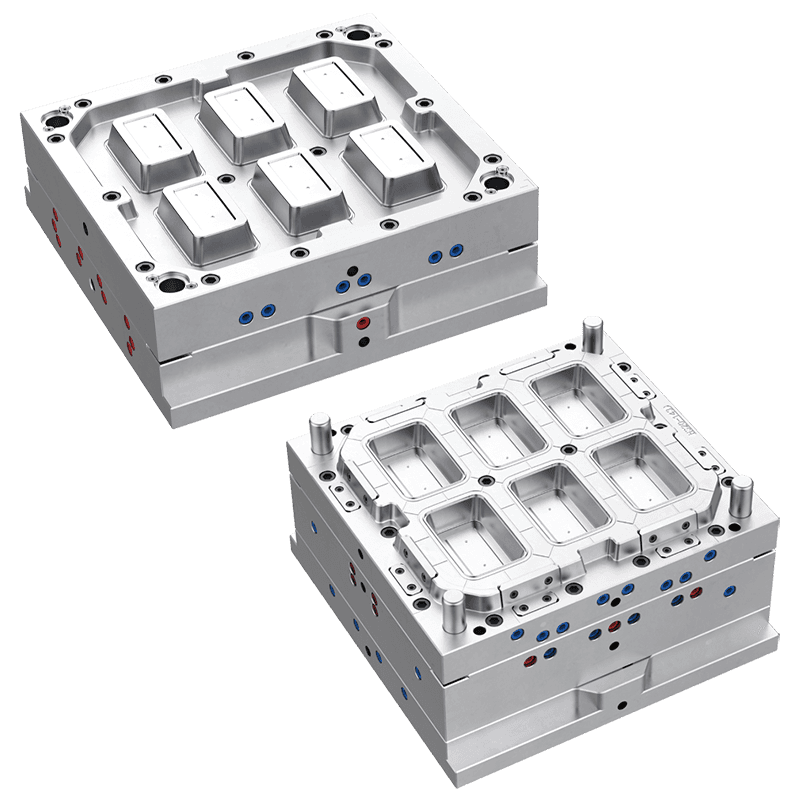
A small plastic food container mould has 2 or 4 cavities. Good for small runs or custom shapes. A high-volume mould has 8, 16, or 24 cavities. More cavities means more containers per cycle. Lower cost per container.
Here is how cavity count affects output for a 5-second cycle time:
- 4 cavities — 2,880 containers per hour
- 8 cavities — 5,760 containers per hour
- 16 cavities — 11,520 containers per hour
Stacking features need to be precise
Containers stack for storage and shipping. A plastic food container mould needs to create stacking lugs. Small protrusions on the bottom of the container. They fit into the rim of the container below.
If the stacking lugs are off by a millimeter, the stack leans. The stack tips over. Containers fall. Scratched. Scrap.
The gate mark should be hidden
The gate is where plastic enters the cavity. The gate leaves a small mark. A plastic food container mould should put the gate on the bottom or the rim. Not on the side where the customer sees it.
Submarine gates or tunnel gates hide the mark. The plastic flows under the surface. The mark is inside the plastic, not on the surface.
What Goes Wrong with Cheap Plastic Food Container Moulds
The containers stick in the mould
The cavity surface is rough. The plastic food container mould does not release the container. Ejector pins push it out. The pins leave marks. Deep marks. The container looks bad.
The lid does not seal
The lid mould is not matched to the container mould. The dimensions are off. The lid snaps on but leaks. Food drips. Customers complain.
The stack is unstable
Stacking lugs are off. Containers lean. They fall off the store shelf. The brand looks bad. The retailer stops ordering.
The mould wears out quickly
Soft steel. The plastic food container mould runs for a few hundred thousand cycles. The cavities wear. The containers come out cloudy. The rim is not round. The lid does not fit.
A plastic food container mould is an investment. A good mould costs $20,000 to $80,000 depending on cavity count and complexity. It makes millions of containers. The cost per container is fractions of a cent.
Buy from a mould maker that understands food containers. Stacking features. Seal dimensions. Gate placement. Hidden marks.
Match the plastic to the application. PP for microwave and dishwasher. PET for clear cold food.
A cheap mould makes bad containers. Leaking lids. Wobbly stacks. Cloudy plastic. Customers notice. They buy a different brand.
A good mould makes containers that work. The lid seals. The stack stays straight. The food stays fresh. That is the point of a food container. A good mould makes it happen. Spend the money. Get the right mould. Your containers will sell themselves.
Contact Us
Email: [email protected]; Or fill out the contact form below.

Yongkang Huashun Mould Co., Ltd. is a technology-based enterprise specializing in the production of thin-walled injection molds.
PRODUCT
- Disposable Plastic Round Food Container Moulds
- Disposable Plastic Square Food Container Moulds
- Disposable Bubble Tea Plastic PP Cup Mould Series
- Disposable Plastic Knife Fork And Spoon Mould Series
- Disposable Plastic Multi-grid Food Container Mould Series
- Disposable Plastic Portion Cup Mould Series
- Disposable Plastic Cup Mould Series
 Email:
  Phone: +86-18067655796
 Tel: +86-0579-87137609
 Add: No. 218, Shangpu Road, Yongkang Economic Development Zone, Jinhua City, Zhejiang Province, China


