
 English
 中文简体
中文简体 русский
 Español
 Français
How Are Food Container Molds Popular in the Market?
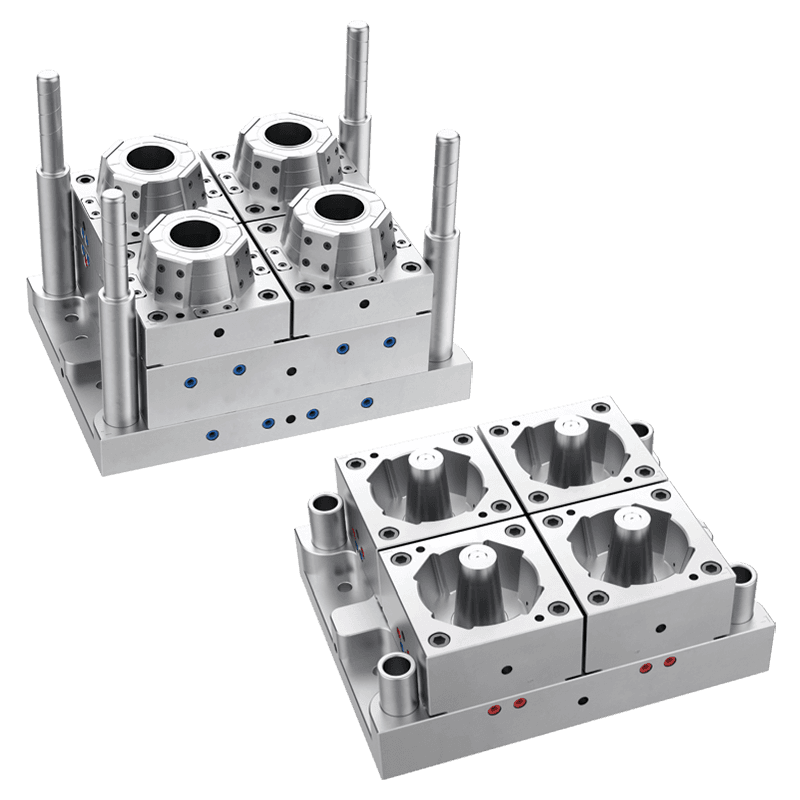
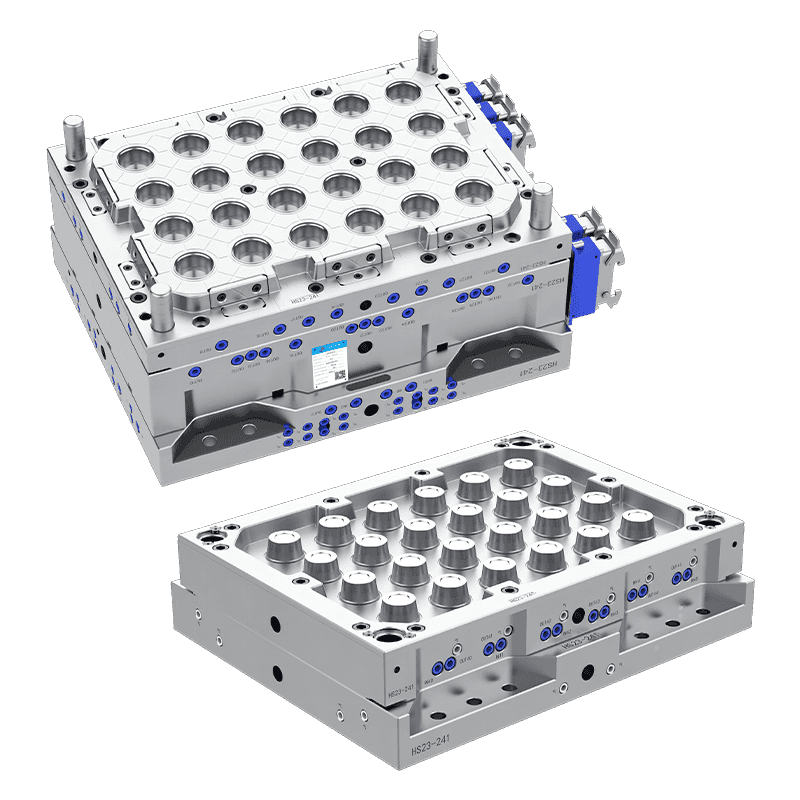
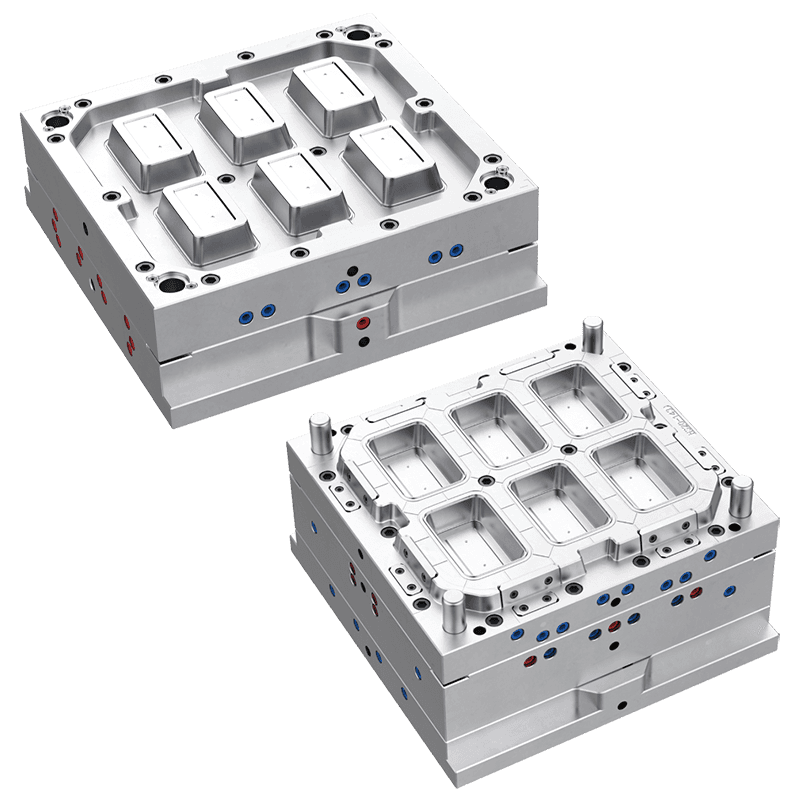
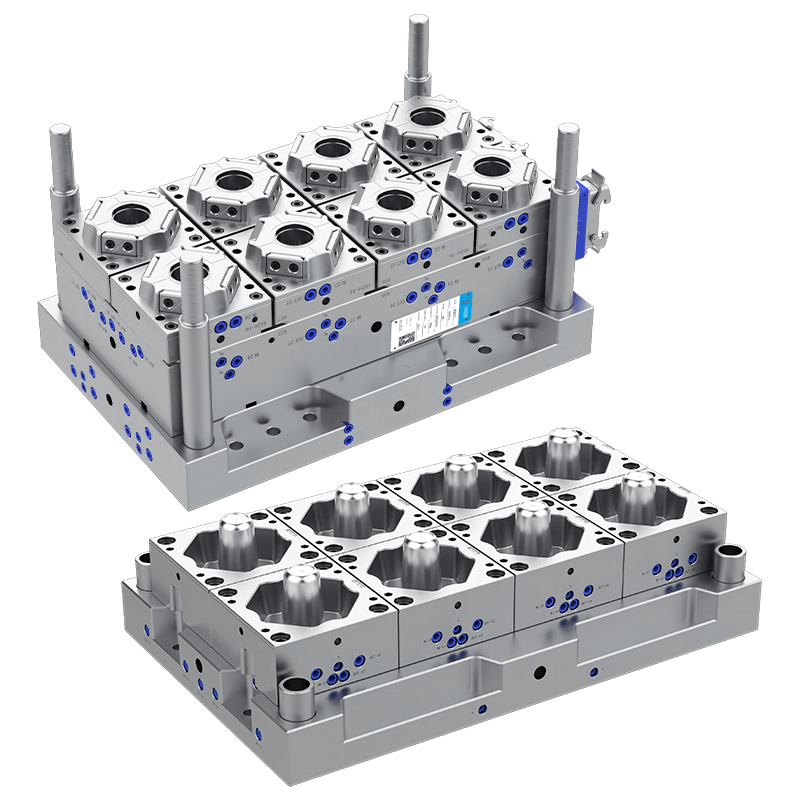
Food container molds are specialized molds used to manufacture plastic or metal containers for storing, transporting, and serving food. These molds are widely employed in the packaging industry due to their ability to produce consistent, durable, and safe containers. The growing demand for convenient food storage solutions, takeout packaging, and reusable containers has contributed to the market popularity of food container molds.
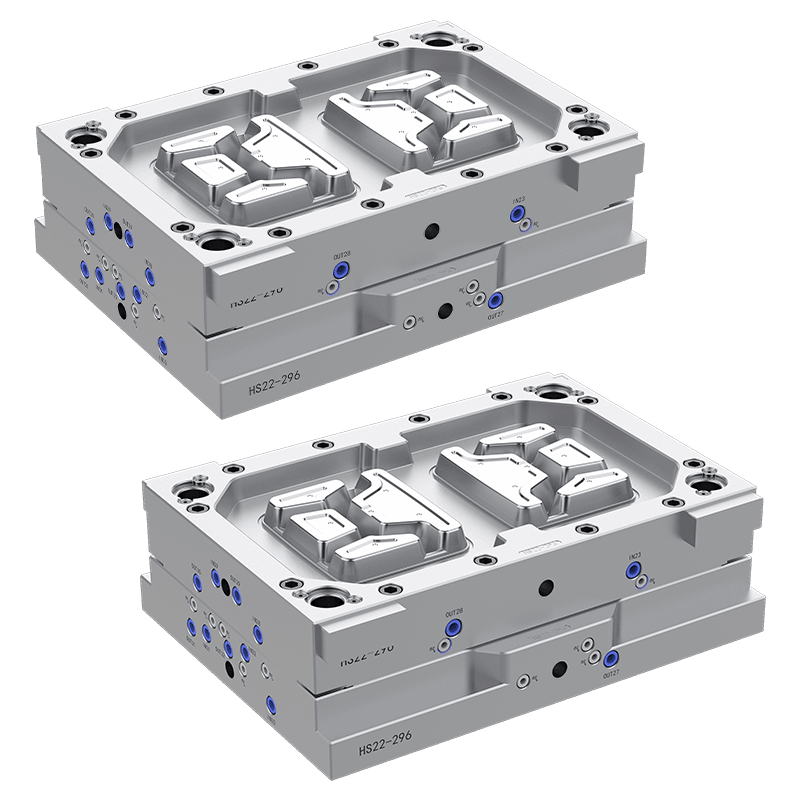
Applications of Food Container Molds
Food container molds are applied in a variety of industries and for different types of containers. Common applications include:
Takeout and delivery packaging
Single-use plastic containers for restaurants and fast-food services
Lidded containers for soups, salads, and hot meals
Reusable household containers
Storage boxes for leftovers, meal prep, or bulk storage
Containers compatible with refrigeration, freezing, or microwaving
Industrial food storage
Large-scale containers for commercial kitchens, catering services, or food processing plants
Stackable containers for organized storage in warehouses or refrigerators
Specialty containers
Compartments for bento boxes or portion-controlled meals
Custom-shaped containers for specific food items like desserts or baked goods
These applications highlight the versatility of food container molds in producing containers suitable for various sizes, materials, and purposes.
Features Contributing to Market Popularity
Several practical features make food container molds widely used in the packaging and food storage markets:
Material versatility
Molds can produce containers from polypropylene (PP), polyethylene (PE), polystyrene (PS), or even metals
Material selection allows for heat resistance, durability, and food safety
Mass production efficiency
Single molds can produce large volumes of containers with consistent shapes and dimensions
Multiple cavity molds increase output for high-demand applications
Design flexibility
Molds can produce various shapes, sizes, and compartmental configurations
Custom designs support branding, stackability, and functional features such as snap-on lids
Durability and safety
Containers produced meet standards for food contact safety
Heat-treated molds maintain precision over many production cycles
These features ensure that manufacturers can meet the growing demand for food containers while providing reliable, standardized products.
Market Factors Supporting Popularity
The demand for food container molds is influenced by multiple market trends and factors:
Expansion of food delivery services
Online food delivery and takeout services drive the need for disposable and reusable containers
Restaurants and food service providers rely on molds to produce cost-effective, uniform containers
Growth in household food storage
Increased focus on meal prepping, frozen meals, and organized storage boosts container demand
Reusable containers reduce single-use plastic waste and support consumer convenience
Global availability and standardization
Molds are produced in multiple countries with standardized dimensions for international supply chains
Availability of molds in various sizes ensures accessibility for both small and large manufacturers
Regulatory compliance
Containers produced from these molds meet food safety regulations, including FDA and EU standards
Molds can be designed for BPA-free plastics and temperature-resistant applications
Technological integration
Modern mold manufacturing uses computer-aided design (CAD), CNC machining, and 3D printing for precise cavity creation
Improved precision reduces material waste and increases production efficiency
These factors collectively support the widespread adoption of food container molds in both commercial and consumer markets.
Maintenance and Longevity
Proper maintenance of food container molds is essential to ensure durability and consistent production quality:
Cleaning and inspection
Regular cleaning prevents contamination and material buildup
Inspection identifies cracks or wear that could affect container quality
Lubrication of moving parts
Sliding or adjustable components in molds need regular lubrication to maintain smooth operation
Temperature control
Proper heating and cooling during the molding process prevents deformation and ensures dimensional stability
Periodic repair or replacement
Components experiencing significant wear can be replaced to extend the mold's lifespan
Routine maintenance allows manufacturers to reduce downtime and maintain the quality of containers produced.
Food container molds are widely used in the packaging and storage industries due to their versatility, production efficiency, and ability to meet food safety standards. They are applied in producing single-use takeout containers, reusable household storage solutions, industrial food storage, and specialty containers. Market demand is driven by trends in food delivery, household food organization, global availability, and regulatory requirements. Mold features such as material versatility, mass production capability, and design flexibility make them practical for a wide range of applications. Proper maintenance and careful material selection help maintain mold performance and extend operational lifespan. Overall, food container molds provide a consistent and reliable method for producing containers that meet the needs of manufacturers and consumers alike.
Contact Us
Email: [email protected]; Or fill out the contact form below.

Yongkang Huashun Mould Co., Ltd. is a technology-based enterprise specializing in the production of thin-walled injection molds.
PRODUCT
- Disposable Plastic Round Food Container Moulds
- Disposable Plastic Square Food Container Moulds
- Disposable Bubble Tea Plastic PP Cup Mould Series
- Disposable Plastic Knife Fork And Spoon Mould Series
- Disposable Plastic Multi-grid Food Container Mould Series
- Disposable Plastic Portion Cup Mould Series
- Disposable Plastic Cup Mould Series
 Email:
  Phone: +86-18067655796
 Tel: +86-0579-87137609
 Add: No. 218, Shangpu Road, Yongkang Economic Development Zone, Jinhua City, Zhejiang Province, China


