
 English
 中文简体
中文简体 русский
 Español
 Français
What Are the Shortcomings of Mould For Plastic Cup?
One major shortcoming of moulds for plastic cups is the high initial investment. Precision moulds require high-quality steel, accurate machining, and advanced design work, particularly for thin-wall or high-speed applications. This cost can be difficult to justify for small production volumes or short product life cycles.
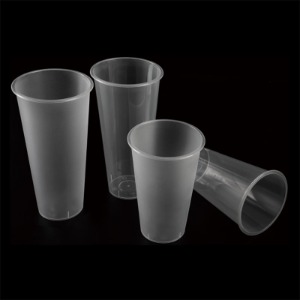
Another limitation is restricted flexibility after mould completion. Once the mould is manufactured, changes to cup size, wall thickness, or decorative details often require modification or replacement of mould components. Such changes can be time-consuming and may interrupt production schedules.
Wear and maintenance are also concerns. Plastic cup moulds typically operate at high cycle rates, especially in mass production. Continuous operation can bring about cavity wear, reduced surface finish quality, or ejection system fatigue. Regular maintenance is required to preserve dimensional accuracy and product appearance.
Material sensitivity can be a drawback. Different plastics, such as polypropylene or polystyrene, have distinct flow and shrinkage characteristics. A mould optimized for one material may perform poorly with another, defects such as uneven walls, warping, or deformation if material changes are not carefully managed.
How to Correctly Understand Mould For Plastic Cup?
To understand moulds for plastic cups correctly, they should be viewed as part of a complete production system rather than as independent tools.
A mould defines shape, not final quality alone
Product quality depends on mould precision, material choice, machine settings, and process control.
Design is application-specific
Cup volume, wall thickness, stacking requirements, and intended use all influence mould structure.
Cycle speed affects durability
High-speed moulds require stronger materials and advanced cooling to maintain stability.
Material behavior matters
Plastic flow, cooling rate, and shrinkage must be considered during mould design.
Maintenance is a normal requirement
Regular cleaning and inspection are essential to maintain performance over time.
Cost should be evaluated long-term
Initial mould cost should be balanced against production efficiency and service life.
Understanding these points helps prevent unrealistic expectations and supports more effective mould selection and use.
Design Precision and Production Efficiency
One critical aspect of moulds for plastic cups is design precision. Accurate cavity dimensions ensure consistent cup volume, wall thickness, and rim quality. Poor precision can result in cups that do not stack properly or fail during use.
Production efficiency is closely tied to cooling system design. Plastic cups are typically thin-walled, requiring fast and uniform cooling to prevent deformation. Well-designed cooling channels reduce cycle time while maintaining dimensional stability. This efficiency directly affects production cost and output capacity.
In addition, ejection system design plays a key role. Cups must be released smoothly from the mould without distortion. Improper ejection can bring about surface marks or shape inconsistency, reducing product quality.
Quality Control and Application Suitability
Quality control is essential throughout the life of a plastic cup mould. Regular inspection helps identify wear, alignment issues, or cooling inefficiencies before they affect product quality. Consistent mould performance supports stable production and reduces waste.
Application suitability is another important consideration. Moulds designed for disposable cups may prioritize speed and material efficiency, while moulds for reusable cups may focus more on durability and surface finish. Using a mould outside its intended application can result in performance issues and higher operating costs.
Selecting a mould that matches production volume, material type, and product requirements ensures better long-term results.
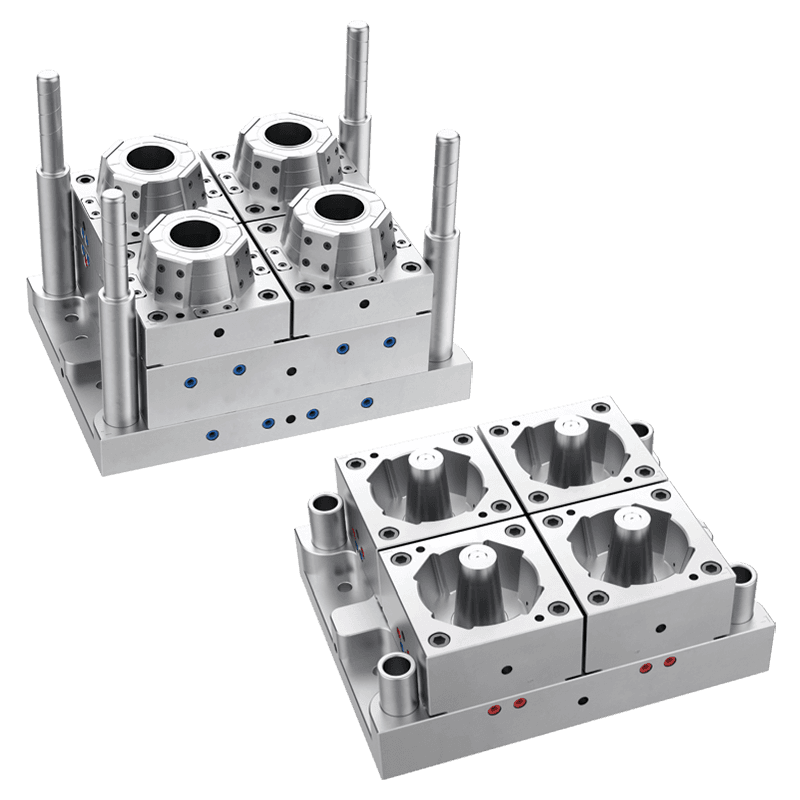
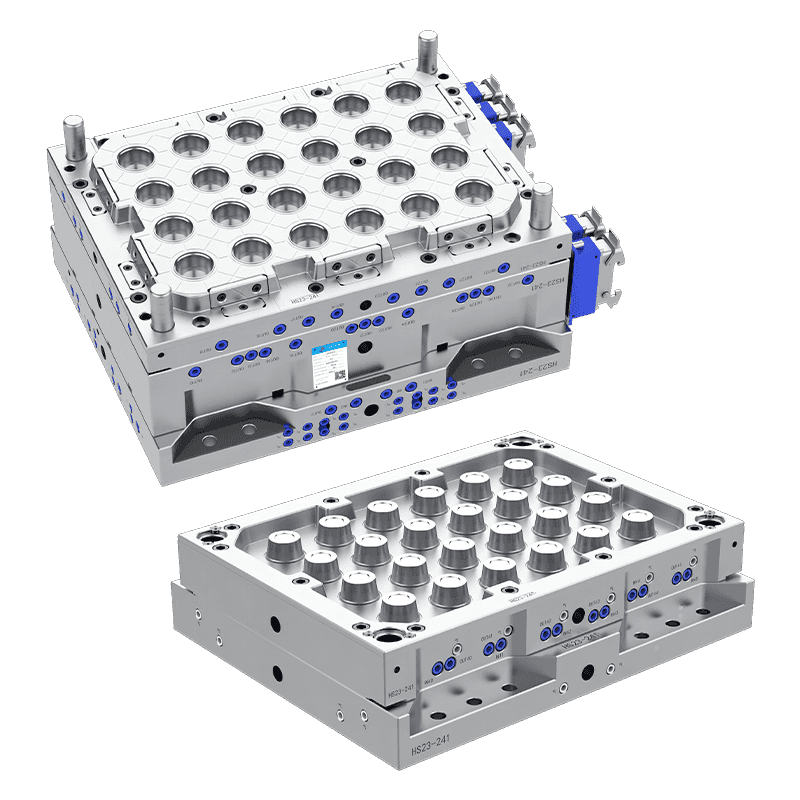
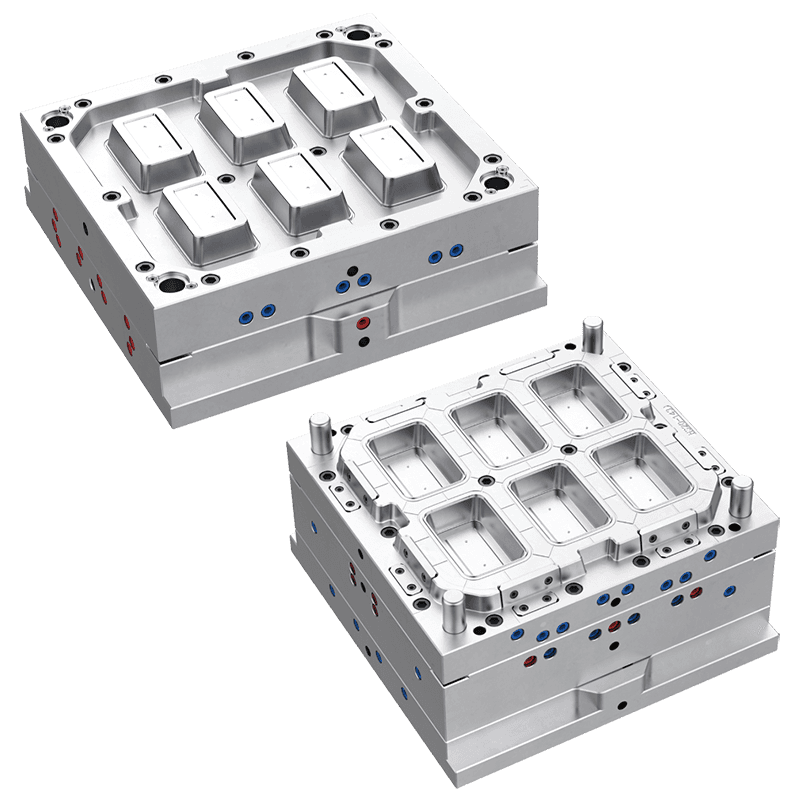
Contact Us
Email: [email protected]; Or fill out the contact form below.

Yongkang Huashun Mould Co., Ltd. is a technology-based enterprise specializing in the production of thin-walled injection molds.
PRODUCT
- Disposable Plastic Round Food Container Moulds
- Disposable Plastic Square Food Container Moulds
- Disposable Bubble Tea Plastic PP Cup Mould Series
- Disposable Plastic Knife Fork And Spoon Mould Series
- Disposable Plastic Multi-grid Food Container Mould Series
- Disposable Plastic Portion Cup Mould Series
- Disposable Plastic Cup Mould Series
 Email:
  Phone: +86-18067655796
 Tel: +86-0579-87137609
 Add: No. 218, Shangpu Road, Yongkang Economic Development Zone, Jinhua City, Zhejiang Province, China


