
 English
 中文简体
中文简体 русский
 Español
 Français
How Do Thin Wall Food Container Moulds Affect Food Safety?
Food safety is one of the important public concerns in food packaging. Thin wall food container moulds play a direct role in shaping containers that come into contact with food, making mould design and manufacturing quality critical.
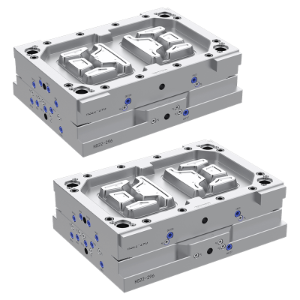
Key food safety considerations include:
Material compatibility: Moulds must be designed for food-grade plastics such as polypropylene (PP), which are widely approved for direct food contact.
Surface finish quality: Highly polished mould cavities reduce the risk of residue buildup and help ensure containers are easy to clean.
Dimensional accuracy: Uniform wall thickness helps prevent weak spots that could crack or deform during use.
From a mould perspective, precision machining and strict quality control help ensure that containers consistently meet food safety standards. While the mould itself does not come into contact with food, its design directly affects the cleanliness, structural integrity, and reliability of the finished product.
Are Thin Wall Containers Environmentally Responsible?
Environmental responsibility is a growing public concern, particularly regarding single-use food packaging. Thin wall food container moulds are closely linked to this discussion because they enable the production of lighter containers that use less plastic material.
Advantages related to environmental impact include:
Material reduction: Thinner walls mean less plastic per container, reducing overall material consumption.
Energy efficiency: Lighter containers require less energy for transportation and handling.
Recyclability support: Many thin wall containers are made from mono-material plastics, which are easier to recycle.
However, environmental performance also depends on mould precision. If wall thickness is inconsistent, containers may fail during use, increasing waste. Well-designed moulds help balance material reduction with sufficient strength, addressing environmental concerns more effectively.
How Do Thin Wall Moulds Influence Production Efficiency?
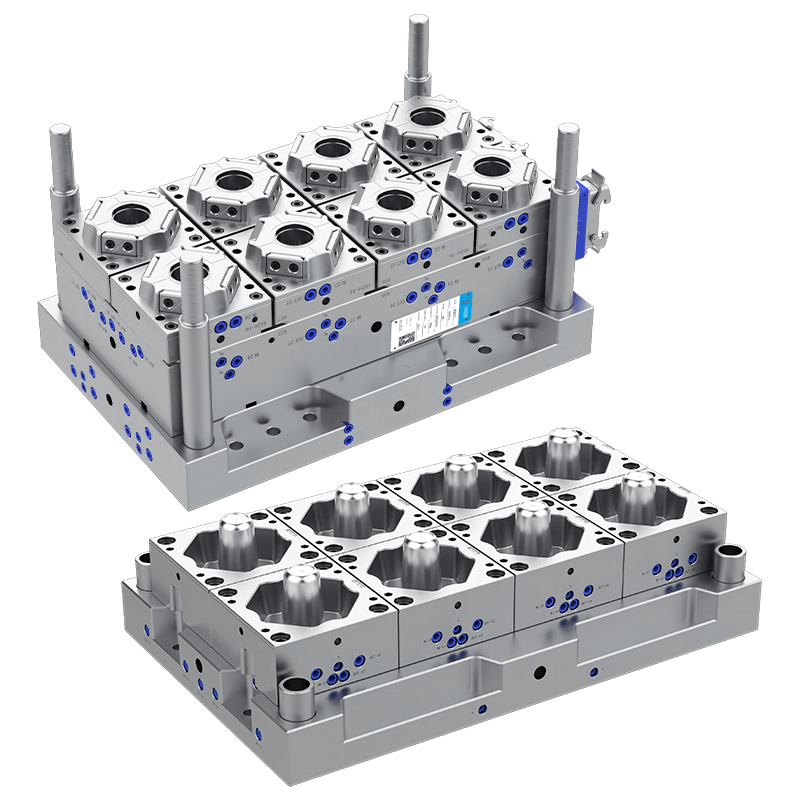
Production efficiency is a major concern for manufacturers and consumers alike, as it affects supply stability and product cost. Thin wall food container moulds are designed for high-speed injection molding, which requires precise engineering.
Key efficiency-related aspects include:
High-speed filling capability: Thin walls require rapid and balanced plastic flow to avoid defects.
Advanced cooling systems: Efficient cooling reduces cycle time while maintaining dimensional stability.
Multi-cavity configurations: Multiple cavities increase output per production cycle.
Because thin wall molding operates within narrow process windows, mould quality and machine compatibility are critical. Public concern often arises when product shortages or inconsistent quality occur, which can frequently be traced back to limitations in mould performance or maintenance.
What About Durability and Cost of Thin Wall Food Container Moulds?
Durability and cost are important public topics, especially in discussions about product pricing and manufacturing sustainability. Thin wall food container moulds typically require high-grade steel and precise machining, which increases initial investment.
Mould durability: Hardened steel and surface treatments extend mould life under high-speed operation.
Maintenance requirements: Regular inspection and servicing help maintain cavity precision and cooling efficiency.
Cost balance: Higher mould costs are often offset by lower material usage and higher production output.
From a long-term perspective, durable moulds contribute to consistent container quality and reduced downtime. This stability helps manufacturers control costs and ensures reliable supply for food service and retail markets.
Thin wall food container moulds are central to meeting modern public expectations for food safety, environmental responsibility, production efficiency, and cost control. While the technology presents technical challenges, well-designed and properly maintained moulds enable the production of lightweight, safe, and recyclable food containers. By understanding the public concerns surrounding these moulds, stakeholders across the packaging industry can make informed decisions that balance performance, sustainability, and consumer confidence.
Contact Us
Email: [email protected]; Or fill out the contact form below.

Yongkang Huashun Mould Co., Ltd. is a technology-based enterprise specializing in the production of thin-walled injection molds.
PRODUCT
- Disposable Plastic Round Food Container Moulds
- Disposable Plastic Square Food Container Moulds
- Disposable Bubble Tea Plastic PP Cup Mould Series
- Disposable Plastic Knife Fork And Spoon Mould Series
- Disposable Plastic Multi-grid Food Container Mould Series
- Disposable Plastic Portion Cup Mould Series
- Disposable Plastic Cup Mould Series
 Email:
  Phone: +86-18067655796
 Tel: +86-0579-87137609
 Add: No. 218, Shangpu Road, Yongkang Economic Development Zone, Jinhua City, Zhejiang Province, China


