
 English
 中文简体
 русский
 Español
 Français

Thin Wall Food Container Mould Factory: The Tooling Behind the Tub That Weighs Almost Nothing
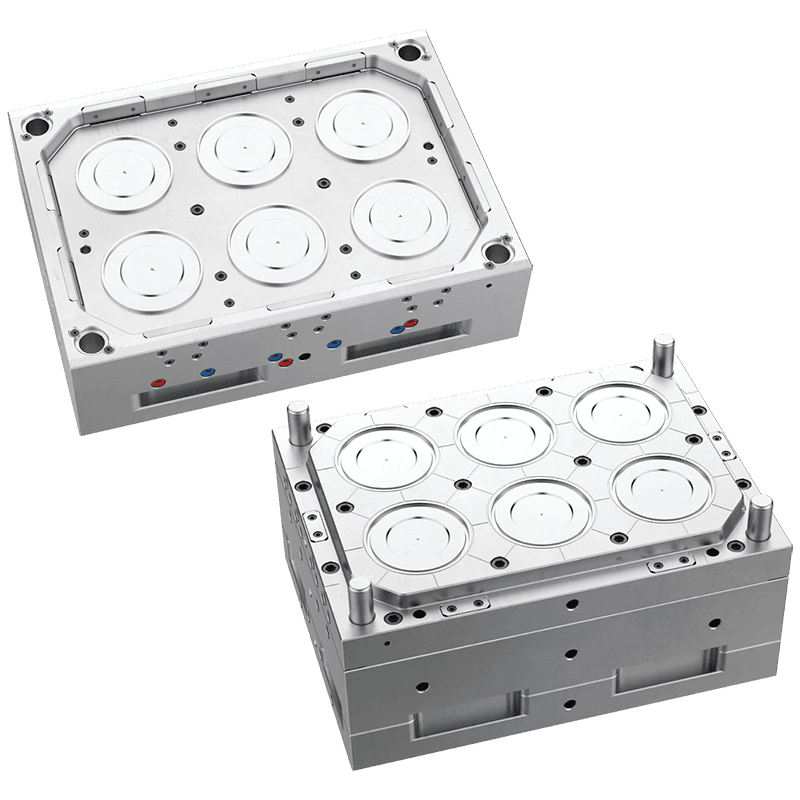
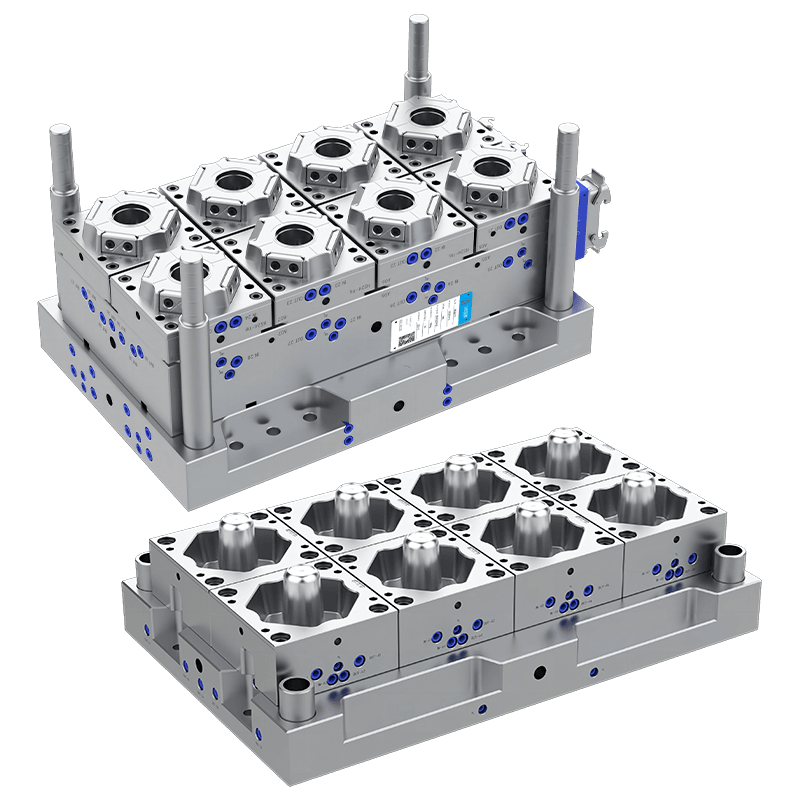
A thin wall food container is the tub that holds the yogurt, the deli salad, the takeout rice. The wall is under a millimeter, sometimes half that. The container has to be cheap enough to produce by the million and rigid enough to stack and seal. A thin wall food container mould factory builds the tooling that fills the thin cavity, cools it in seconds, and ejects the container without warping the rim.
The Wall Thickness Sets the Cycle
The thin wall is what makes the container cheap and the cycle fast. The mold has to fill the thin cavity before the melt freezes. The gate and the runner are sized for the fast fill. The injection pressure is high, and the mold has to hold the clamping force without the flash.
A thin wall food container mould factory sizes the gate for the fill rate and the material. The gate that is too small leaves the short shot. The gate that is too large leaves the heavy vestige that has to be trimmed.
The Core Is the Hardest Part to Cool
The core forms the inside of the container. It sits in the middle of the part, and the heat has nowhere to go. The cavity side is easier to cool because the channels can be drilled close to the surface. The core needs the internal cooling, the bubbler, or the spiral baffle, to pull the heat from the center.
A thin wall food container mould factory that cools the core properly hits the cycle time. The container that comes out of the poorly cooled mold warps at the rim and the seal fails.
The Rim Has to Stay Flat
The rim is the sealing surface. The lid snaps over it or the film seals to it. The rim has to be flat, smooth, and free of the flash. The thin wall makes the rim the weakest part of the part. The ejection has to push on the rim without deforming it.
A thin wall food container mould factory uses the stripper ring or the plate that pushes the container off the core evenly. The ejector pins on the base would deform the thin bottom.
The Multi-Cavity Layout
The container is the volume product. The mold runs the 16, the 32, or the 64 cavities. The multi-cavity layout with the balanced hot runner fills every cavity at the same pressure and temperature. The thin wall food container mould factory that balances the runner produces the identical containers from every cavity.
Here is what a thin wall food container mould factory has to deliver:
- Thin wall cavity that fills before the melt freezes
- Gate and runner sized for the fast fill
- Cooling channels in the cavity and the internal cooling in the core
- Flat rim with the controlled tolerance
- Stripper ring or the plate ejection without the deformation
- Multi-cavity layout with the balanced fill
Where the Containers Go
The dairy fills the container with the yogurt and the sour cream. The deli fills it with the salad and the prepared food. The takeout fills it with the rice and the noodles. The frozen food producer fills it with the ice cream and the ready meal.
The Rim That Warps and the Container That Sticks
The rim warps because the core cooling was not enough. The container sticks because the draft was too small or the core surface was too rough. The rim cracks during the ejection because the stripper ring was not aligned. The wall shorts because the gate was too small.
A thin wall food container mould factory builds the tooling behind the tub that weighs almost nothing. The cavity fills fast. The core cools. The rim stays flat. Choose a factory that controls the fill and the cooling.
Contact Us
Email: [email protected]; Or fill out the contact form below.

Yongkang Huashun Mould Co., Ltd. is a technology-based enterprise specializing in the production of thin-walled injection molds.
PRODUCT
- Disposable Plastic Round Food Container Moulds
- Disposable Plastic Square Food Container Moulds
- Disposable Bubble Tea Plastic PP Cup Mould Series
- Disposable Plastic Knife Fork And Spoon Mould Series
- Disposable Plastic Multi-grid Food Container Mould Series
- Disposable Plastic Portion Cup Mould Series
- Disposable Plastic Cup Mould Series
 Email:
 Phone: +86-18067655796
 Tel: +86-0579-87137609
 Add: No. 218, Shangpu Road, Yongkang Economic Development Zone, Jinhua City, Zhejiang Province, China


